
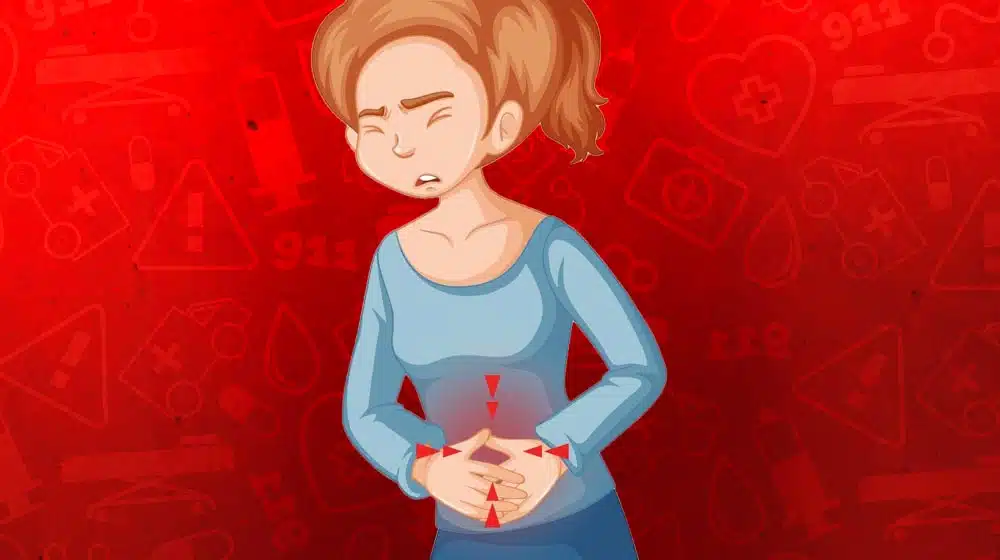

I’ve been asked this question countless times in my long career. There are many things to know about passing kidney stones, so let’s get right to it!
How long it takes to pass a kidney stone depends on two main factors: the stone’s size and its location in your urinary tract. Stones can sit quietly in the kidney for years, even decades, and then suddenly slip into the ureter. When that happens, pain comes fast.
How a Kidney Stone Actually Moves
Most people think a stone suddenly “falls out” of the kidney one day. It feels that way, but here’s what really happens.
A stone forms inside the kidney in small pockets where urine can flow around it. These areas are roomy enough that the stone can sit for years without causing symptoms. As long as it stays in that safe spot, you don’t feel a thing.
Your kidneys are constantly draining urine. Every few minutes, it sends a gentle wave of urine toward the ureter—the narrow tube that carries urine from the kidney to the bladder. Most days, these waves don’t move the stone at all.
But over time, one of several things can nudge the stone out of its comfortable spot: a change in urine flow or pressure, a big fluid day, a dehydrating day, a twist or bend during exercise, a tiny chip off the stone’s surface, even normal aging changes inside the kidney.
All it takes is one small shift to line the stone up with the narrowest point where the kidney connects to the ureter. That spot is called the ureteropelvic junction (UPJ). Think of it like a bottleneck.
Once the stone slips into the UPJ and drops into the ureter, symptoms start immediately. The ureter is narrow and does not stretch well. It responds by squeezing hard to push the stone downward. Those strong squeezes—called peristalsis—create the classic waves of kidney stone pain.
This is why someone can have a stone for 20 years with no symptoms and then suddenly have severe pain for the first time. The stone didn’t appear out of nowhere. It finally slipped into the ureter.
What percentage passes on its own by stone size:
- Stones under 5 mm usually pass on their own (75-90 percent of the time).
- Stones 5–10 mm pass about half the time.
- Stones over 10 mm rarely pass without help.
Average timelines for spontaneous passage:
- 2 mm: about 8 days
- 3 mm: about 12 days
- 4–6 mm: about 22 days
- Over 6 mm: often takes a month or longer
Location Matters
To understand why location affects passage, picture the pathway:
Kidney → Top of ureter → Middle of ureter → Bottom of ureter near bladder → Bladder → Urethra → Outside the body
A stone can get stuck anywhere along this path.
Proximal (upper) ureter
This is the very top of the ureter, right where it leaves the kidney. Stones here face the longest journey and have the hardest time passing. Only about half pass on their own.
Mid-ureter
This is the middle section of the tube as it crosses the abdomen. About 60 percent of stones pass from this area.
Distal (lower) ureter
This part sits just above the bladder. Stones here have already made it through the tightest spots. About 75 percent pass from this location.
Once the stone drops into the bladder
Most stones are passed within a few days. The bladder is roomier, and the urethra is wider than the ureter.
The Big Picture
Stones higher up in the system (inside the kidney or stuck at the top of the ureter) = the slowest, most painful, and least likely to pass.
Stones lower in the system (mid-ureter or near the bladder) are more likely to pass and usually do so faster.
Other Factors That Slow Down Stone Passage
Higher body weight: People with higher BMI tend to form larger stones.
Younger age: Children often pass stones differently due to anatomical differences.
Hydronephrosis: A swollen kidney means blocked urine flow. These stones often need help.
High white blood cell count: May signal infection or inflammation, which requires prompt evaluation.
Medications That Can Help: For stones larger than 5 mm, many urologists prescribe alpha-blockers such as tamsulosin (Flomax). These relax the ureter, shorten passing time by a few days, and improve passage rates for larger stones.
How to Help a Stone Pass Faster: Read this.
When to Seek Medical Care
Contact your doctor or go to urgent care if you have:
- Severe, unrelenting pain
- Fever or chills
- Vomiting
- Blood in your urine
- Cloudy or foul-smelling urine
- Burning with urination
To understand the warning signs and when a stone becomes an emergency, you can read this article.
If the Stone Needs Help to Come Out
If a stone hasn’t passed after about four weeks, or if it is over 10 mm, a urologist may recommend one of the procedures I outline here:
If you’re dealing with pain right now, here’s my guide for managing discomfort while you wait.
Pain Timeline
Stone pain comes from the ureter squeezing around the stone as it tries to push it downward. Pain comes in waves and can last minutes to hours.
Once the stone enters the bladder or leaves the body, the pain usually stops almost immediately.
Wrapping It Up
Passing a stone can be one of the most painful experiences of your life, but understanding what’s happening inside your body can make the process less frightening and much easier to manage. The more you know about stone size, location, how a stone actually moves, and when to get help, the safer you’ll be and the sooner you’ll get relief.
And remember: you don’t have to guess your way through this. If you’re dealing with a stone right now—or caring for someone who is—use the resources on the Kidney Stone Diet website to guide each step. Most people pass their stones safely, but waiting too long or ignoring warning signs can turn a simple stone into a serious problem. Stay aware, stay hydrated, and take action early.
If you’ve been making stones or dealing with repeated episodes, you must get a 24-hour urine collection done. It’s the best way to understand why you’re forming stones so you can prevent the next one.
You’re not alone in this. You can get through it and prevent the next one. One step at a time, one daily choice at a time—that’s how you change your stone story. And I’m here to help you do exactly that.
Your friend,
Nurse Jill







Leave a Reply