-
Calcium and Oxalate: The Rule Most Stone Formers Get Wrong
If you are a calcium oxalate stone former, you have probably heard that calcium can help lower how much oxalate gets into your urine. That part is true, but this is also where people start to panic. Patients often ask these same few question: This is where kidney stone prevention…
-
Can You Dissolve a Kidney Stone?
Kidney stone patients all ask the same hopeful question: “Can I dissolve this stone!?” An understandable question. If you have ever passed a kidney stone, had surgery, worn a stent, or sat in the ER scared and uncomfortable, of course you want a gentler answer. Of course, lemons sound better than…
-

The Herbs and Spices Mistake Almost Everyone Makes
When people first learn about oxalate, it often becomes the center of everything. Every food gets judged by a number. Every meal starts to feel like a math problem. And before long, people are avoiding foods that were never the issue in the first place, like herbs and spices. This…
-
Toxic Foods and Kidney Stones
If you’ve ever had a kidney stone, you know the feeling. You’re in pain, real pain, the kind that makes you say, “I will do anything to never go through this again.” So you start searching, trying to figure out what to eat, what to avoid, what caused it. And…
-
Hair Loss, Brittle Nails, and Collagen
Hair thinning. Brittle nails. More breakage than you remember from ten years ago. Many kidney stone formers are at an age when these changes start showing up. For women especially, postmenopausal hormone shifts can quietly alter hair texture, growth patterns, and nail strength. It’s frustrating, it feels visible, and it…
-
Infection Stones (aka Struvite): What Kidney Stone Patients Need to Understand
Most kidney stones people hear about (calcium oxalate or uric acid stones) are related to urine chemistry, hydration, and diet. Infection stones, also called struvite stones, are different. They form because of specific bacteria in the urinary tract. These stones are less common than calcium oxalate stones, but they can…
-
Chew Your Vitamins: Immune-Supporting and Gut-Healthy Foods for Kidney Stone Formers
Walk into any pharmacy, and you will see shelves full of “immune support” supplements—vitamin C, zinc, vitamin D, elderberry, antioxidant blends, and powders that promise to strengthen your immune system. It can make immunity seem complicated. In reality, the immune system does not run on one miracle nutrient. It works…
-
How long does it take to form a kidney stone
How Kidney Stones Form Your kidneys are filters. All day long, they clean your blood and make urine. That urine carries out extra minerals your body does not need—including calcium, oxalate, uric acid, and others. Most of the time, these minerals dissolve in your urine and leave your body without any problem.…
-
Low-Oxalate Snacks
Before we jump into snack ideas, bookmark the most important resource for understanding oxalate in foods: → The Complete Harvard-Research-Based Oxalate List This list is used by tens of thousands of kidney stone patients and is the one I use in my own practice every day. Keep it handy as…
-
Will My Kidney Stone Pass?
If you’ve ever been told you have a kidney stone, you probably asked the same question everyone asks: “Will it pass on its own?” The honest answer is that it depends. Most people know stone size matters, but fewer realize that kidney stone location can be just as important. Where…
-
What’s Really Happening Inside Your Kidneys
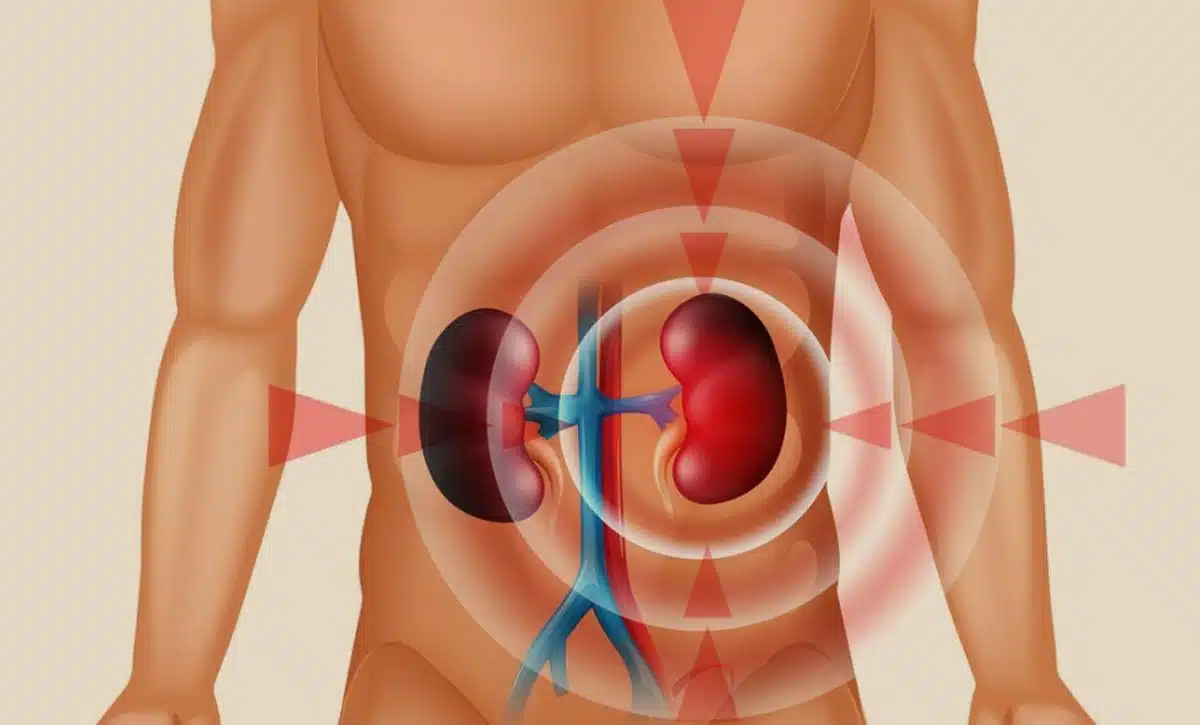
Why Understanding Your Kidneys Changes Behavior I’ve always believed that people are more willing to change when they understand why they’re being asked to change. Diet advice sticks when it’s tied to what’s actually happening inside the body, not just a list of rules. This approach is what has helped…
-
Kidney Stone Stents: What’s Normal, What’s Not, and How to Stay Comfortable
What Is a Ureteral Stent? A ureteral stent is a thin, soft, flexible tube that sits between the kidney and the bladder. Its job is simple: keep urine flowing while the drainage tube from the kidney, called the ureter, heals after surgery. It’s temporary, and it’s placed to protect your…
-
How to Manage Diabetes and Kidney Stones
What’s going on inside your kidneys Your kidneys don’t just make urine, they remove extra acid from your body and keep things balanced by using natural helpers called buffers. Buffers work like baking soda in your fridge. They soak up extra acid so things don’t get too sour inside your…
-
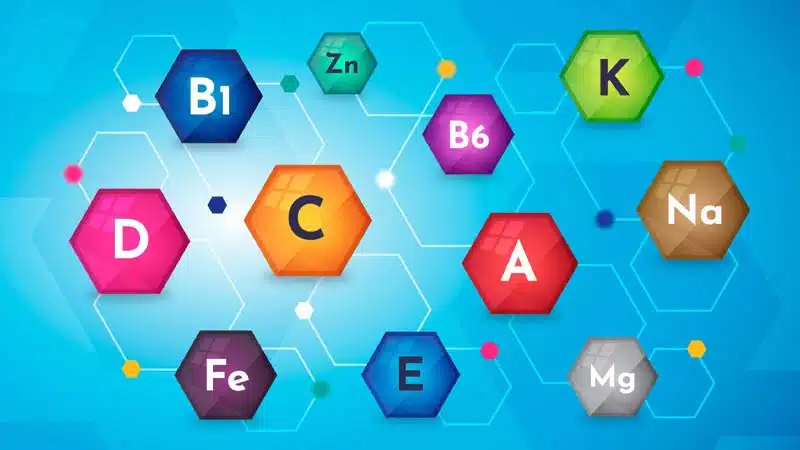
Vitamins and Kidney Stones: What You Need to Know
First, most vitamins don’t increase the risk of kidney stones. Two do: vitamin C and sometimes vitamin D. Everything else? Usually harmless at normal doses. Here’s what stone formers actually need to know. Vitamin C In food, great. In supplements over 200 mg/day? A hard no. Excess vitamin C can…
-
How Long Does It Take a Kidney Stone to Pass
I’ve been asked this question countless times in my long career. There are many things to know about passing kidney stones, so let’s get right to it! How long it takes to pass a kidney stone depends on two main factors: the stone’s size and its location in your urinary…
-
Can I Prevent Kidney Stones with Chanca Piedra?
The short answer: we don’t have high-quality evidence that chanca piedra prevents kidney stones. It isn’t standardized or regulated, there’s no long-term safety data, and waiting on it to break up a stone can be dangerous. Here’s what the studies actually show, and what does prevent stones. Prefer to listen?…
-
FREE KSD Savory Spice Recipes
Here is another batch of FREE homemade, no-sodium spice recipes you can add to your KSD spice collection. When you are trying to lower sodium and sugar, it helps to increase flavor with spices, herbs, and low-sodium seasonings. Hope you like them! I have many other free seasoning recipes on…
-
Popular Diets and Kidney Stones
Keto, paleo, carnivore, and low-carb diets can help with weight or blood sugar—but they also shift your body chemistry in ways that quietly raise your kidney stone risk. Not always, not for everyone, but often enough that you should know what’s going on. Especially if you are a past kidney…



“The Kidney Stone Diet is far more than just a diet; this plan is life-altering!”
“The group calls will transform you physically and emotionally. Once you start this journey, your health naturally improves. I have lost a total of 40 pounds and have consistently kept it off. The group calls are such support; this is more like family than a zoom meeting to stay accountable. Jill is far more than a nurse; she is a life coach. Her platform is invaluable.”
Kim J. | Kidney Stone Prevention Course

“The best decision I’ve made has been to join this group.”
“I have been working on weight loss for many years. This group has kept me on track and has helped my continued success with my weight loss.”
Kate L. | Group Calls with Jill
“I have been following the Meal Plan for about 6 weeks and I feel amazing.”
“Eating healthy has also encouraged me to go to bed earlier, so I am also getting more sleep. Because of that, I have been able to get up before work and exercise! So yes, the positive effects are spilling over into all areas of a healthy lifestyle.”
Jerry T. | Meal Plan Subscriber

“I have been a part of the group calls with Jill for the last 14 months, and they are essential to being so successful with the Kidney Stone Diet Prevention Plan.”
Sarah B. | Group Calls with Jill

“These calls are the gold of this program!!”
“I can’t say enough about how Jill knows just the right questions to ask us or how she prods us to think about what is going on in our lives.”
Monica K. | Group Calls with Jill
“I took the course with Jill, and my second 24 hour urine was MUCH better than the first.”
“She gives very practical information, and it WORKS. I was totally overwhelmed at first. I got very poor diet information from my doctors. Jill made it easy for me to understand, and I took it one day at a time. I still watch her videos when I need a tune-up. Jill is the best, and she really cares about all of us. Take the course—it will help you!!!”
Mark J. | Kidney Stone Prevention Course