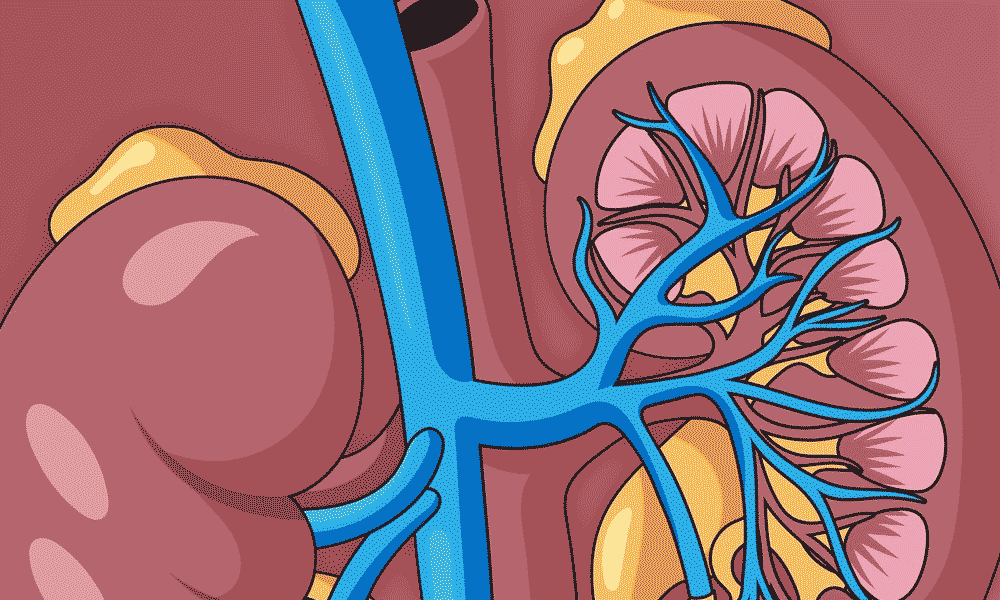

I’ve had some private patients this week complain about the stents they were sent home with after kidney stone surgery. I realized I have never written about it nor provided tips and tricks you might find handy if you are unlucky enough to have one placed.
And remember, if you want to stop making kidney stones and avoid stents altogether, get my All-Access Pass and watch my Video Course, try out my Meal Plans, join me live for Group Calls, and a bunch more!
Up to 80 percent of new stones CAN be prevented with the proper guidance and dietary changes (and sometimes meds). My library of prevention tools is everything you need to end your kidney stones.
Ok, without further ado, here is a list of ways to make that dumb stent more bearable.
- Stay Hydrated: Drink plenty of water to help flush out the kidneys and reduce discomfort from the stent.
- Take Prescribed Pain Medications: Follow your doctor’s advice on pain relief, as stents can cause cramping or discomfort.
- Use a Heating Pad: Applying heat to your lower abdomen or back can ease discomfort and muscle spasms.
- Avoid Strenuous Activities: Rest and avoid heavy lifting or intense exercise, which can aggravate stent-related pain.
- Urinate Frequently: Don’t hold in urine. Frequent urination helps prevent pressure build-up and discomfort.
- Take UTI Precautions: Stents can increase the risk of infection, so follow your doctor’s guidance on preventing UTIs.
- Manage Bladder Spasms: Your doctor may prescribe medications to reduce spasms, which the stent can trigger.
- Use Over-the-counter Medications for Mild Pain:Ibuprofen or acetaminophen can help manage mild discomfort (ck with doc if these will work for you).
- Elevate Your Legs: When resting, try elevating your legs to reduce pressure in the pelvic area.
- Take Warm Baths: Warm baths can soothe discomfort, but avoid hot tubs to reduce the risk of infection.
- Avoid Caffeinated or Alcoholic Drinks: These can irritate the bladder and increase stent-related discomfort.
- Take Breaks While Urinating: To minimize discomfort, try not to force urination; give yourself time to urinate slowly.
- Wear Loose Clothing: Tight clothing around the abdomen or pelvic area can worsen stent-related pain.
- Monitor for Signs of Infection: Watch for fever, chills, or cloudy urine, and contact your doctor if symptoms appear.
- Adjust Diet Temporarily: Some foods (e.g., acidic or spicy) may irritate the bladder; avoid them while the stent is in place.
- Practice Pelvic Floor Exercises: Gentle exercises may help with pelvic pain and stent discomfort.
- Ask About Alpha-Blockers: These medications can help relax the ureter and reduce stent-related pain.
- Plan Bathroom Trips: Urgency can increase with a stent, so plan trips and locate restrooms when going out.
- Use a Pillow for Support: When sitting, place a small pillow under your lower back or between your knees for comfort.
- Stay in Touch with Your Doctor: Don’t hesitate to call your healthcare provider if you have questions or if the pain worsens.
- Sleep with Extra Pillows: Prop up your upper body with pillows to reduce pressure in the abdominal area while sleeping.
- Drink Cranberry Juice: It can help lower the risk of urinary tract infections, but check with your doctor first. Get the lowest sugar.
- Alternate Between Heat and Ice: If heat alone isn’t enough to relieve pain, try alternating with ice packs for short periods.
- Use a Toilet Stool: A foot stool can help align your posture for easier urination and relieve pressure on the bladder.
- Empty Your Bladder Fully: Empty your bladder to avoid further irritation or discomfort.
- Avoid Long Car Rides: Prolonged sitting in one position can increase discomfort; take breaks to stretch.
- Take Short Walks: Light activity like walking can help improve circulation and reduce discomfort but don’t overdo it.
- Elevate Feet When Sitting: If you sit for long periods, keep your feet elevated to improve blood flow and reduce pelvic pressure.
- Wear a Belly Band: Some people find belly bands helpful for additional support and pressure relief, especially if they experience lower abdominal discomfort.
- Maintain a Fiber-Rich Diet: Eating fiber-rich foods can prevent constipation and reduce strain when using the restroom.
- Use Warm Compresses After Urination: Applying a warm compress to the lower abdomen can reduce post-urination discomfort.
- Avoid Bouncing or Jarring Motions: Running or jumping can worsen stent discomfort; choose low-impact exercises instead.
- Urinate in a Warm Shower: For those experiencing significant discomfort during urination, doing so in a warm shower may ease the sensation.
- Limit Fluid Intake Before Bed: While hydration is essential, limiting fluid intake in the evening can reduce nighttime bathroom trips.
- Use a Squat Position: Squatting during urination can sometimes help reduce the pressure felt by the stent.
- Apply Gentle Pressure to Your Lower Abdomen:Pressing on the lower abdomen while urinating can relieve bladder spasms.
- Massage Your Lower Back: A gentle massage of the lower back muscles can help ease tension caused by the stent.
- Avoid Holding Urine: Holding in urine for too long can cause stent irritation, so always go as soon as you feel the need.
- Discuss Stent Removal Timing with Your Doctor: If the stent is causing significant discomfort, talk with your doctor to determine the best time for removal.
Here is a list of warning signs related to a kidney stone stent that patients should be aware of and when they should notify their doctor:
- Severe Pain: If the pain becomes unmanageable or significantly worsens, even with prescribed medications.
- High Fever: A fever of 101°F (38.3°C) or higher could be a sign of infection.
- Chills: Experiencing chills along with a fever may indicate an infection.
- Cloudy or Foul-Smelling Urine can be signs of a urinary tract infection.
- Bloody Urine: While some blood in the urine is normal after stent placement, heavy or prolonged bleeding is not.
- Difficulty Urinating: If you have difficulty emptying your bladder or suddenly become unable to urinate, it could be a sign of a blockage.
- Passing Large Blood Clots: Small clots may be expected, but large clots could indicate a problem that needs attention.
- Severe Burning During Urination: A burning sensation that worsens or persists for more than a few days may signal an infection.
- Increased Urgency with Little Urine Output: Frequent urges to urinate but with little or no urine production could indicate a complication.
- Persistent Bladder Spasms: If the bladder spasms do not improve or significantly impact daily life, notify your doctor.
- Pain in the Kidney Area (Flank Pain): Significant pain in the back or side could indicate that the kidney is not draining correctly.
- Abdominal Swelling: Swelling or bloating in the abdomen could signal an obstruction or infection.
- Nausea or Vomiting can be signs of a kidney infection or other serious complications.
- Lower Back Pain: Persistent or severe pain in the lower back could indicate issues with kidney drainage.
- Inability to Pass Gas or Have a Bowel Movement: This could indicate a more severe abdominal issue.
- Continuous Feeling of Fullness in the Bladder: If the bladder feels constantly full and this sensation doesn’t resolve, it could indicate a problem with stent positioning.
- Increased Pain After Physical Activity: Sudden sharp pain following any physical activity or strain may require medical attention.
- Foul-Smelling Vaginal or Penile Discharge: Discharge may indicate infection or complications with the urinary tract.
- Swelling in the Genital Area: Unusual swelling or discomfort in the genital area could signal a complication from the stent.
- Difficulty Breathing or Chest Pain: While rare, these could be signs of a more severe issue, such as an infection spreading, and immediate medical attention is required.
Patients should notify their doctor immediately if they experience any warning signs which could indicate complications from the stent.
In addition to the warning signs listed, you should also be aware of the following points about living with a kidney stone stent that are to be expected:
- Normal Discomfort: A stent usually causes some discomfort, especially during urination or after physical activity. Patients may also feel a frequent urge to urinate.
- Blood in Urine: It’s normal to see some blood in the urine, particularly right after stent placement or following physical activity. It should typically decrease over time.
- Stent Displacement: On rare occasions, the stent may move out of place. If this happens, it may cause increased pain or changes in urine flow. Notify your doctor if you suspect this.
- Stent Removal Timeline: Stents are meant to be temporary, and patients should be aware of their removal timeline, typically within a few days to a few weeks, depending on their doctor’s recommendations. Delaying removal beyond the recommended timeframe can increase the risk of infection or complications.
- Stent Size and Position: Not all stents are the same; they come in different sizes based on the patient’s condition. Understanding that discomfort may vary depending on the stent’s position or size can help set realistic expectations.
- Medication for Stent-Related Pain: If pain is severe or persistent, patients should ask their doctor about prescription medications like alpha-blockers, which can help relax the urinary tract and ease discomfort.
- Physical Activity: While light activities like walking are generally encouraged, patients should avoid strenuous exercise, heavy lifting, and movements that can increase abdominal pressure until the stent is removed.
- Sexual Activity: Sexual activity may cause discomfort for some patients with a stent. It’s advisable to discuss any concerns with a healthcare provider.
- Hydration: Drinking fluids (mostly water) will help dilute the urine and prevent further stone formation. However, excessive fluid intake at once may increase stent-related discomfort, so it’s better to spread fluid intake throughout the day.
- Follow-Up Appointments: Attending all follow-up appointments is crucial. Your doctor will monitor the stent, ensure it’s functioning correctly, and determine the best time for removal.
- Long-Term Stent Risks: Stents that stay in too long can lead to complications like encrustation (mineral build-up on the stent), infection, or urinary blockages, so adhering to the doctor’s timeline for removal is vital.
- Emotional Well-being: Dealing with a stent can be physically and emotionally taxing. Be aware that feelings of frustration, anxiety, or discomfort are common.
The goal of sharing this information with you is not to scare you but to inform you of what is typical with stents and what isn’t, as well as how to manage them and what to expect.
After each of my cancer surgeries (and with the best of care), I was often scared and anxious about normal vs not normal during the recovery period. I think it is essential to know what to expect when we go home, and often, many points are left out. Hence this letter to you.
Being informed about these factors can help you feel more in control of your recovery process and manage stent-related discomfort and any post-op procedure in the future.
What I hope for you is that you never make another kidney stone again. The Kidney Stone Diet® will lower your risk, so I have dedicated my entire nursing career to promoting it.
Your friend and advocate,
Jill






Leave a Reply