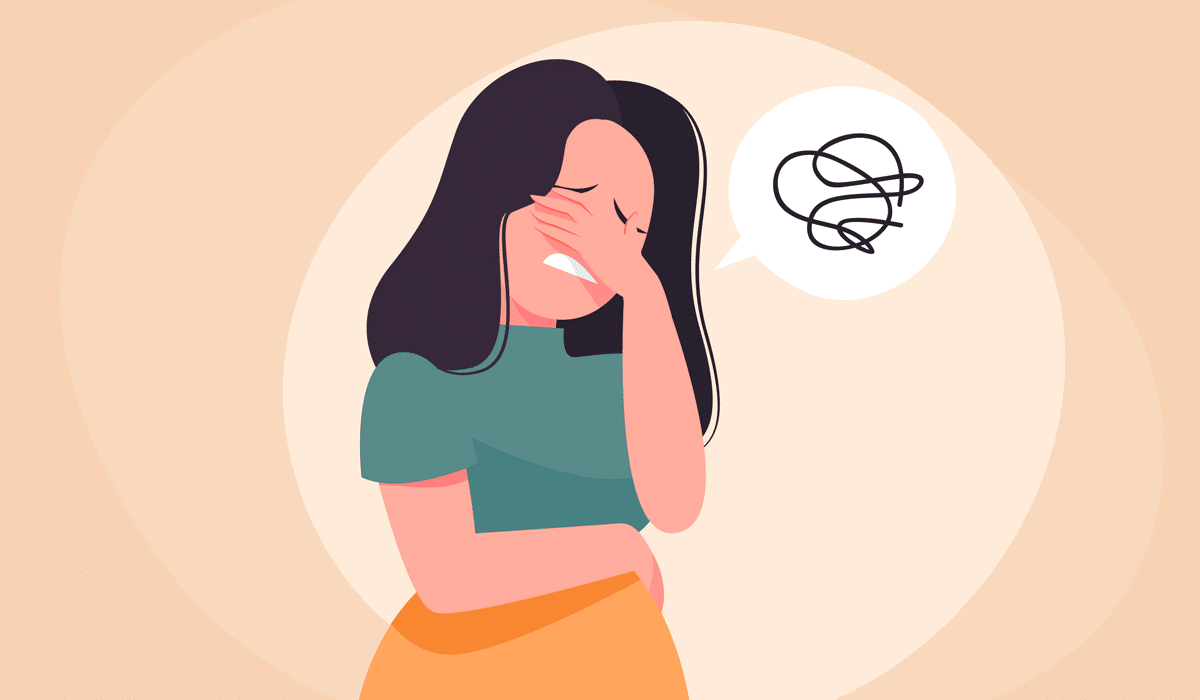

One of the most frustrating things I hear from patients is this: “My doctor told me I’m just a stone former.”
Sometimes the patient says it about themselves, too. “I guess I’m just a stone former.” They say it like it is a diagnosis, a personality trait, and a prison sentence all rolled into one.
I understand why people say it. Kidney stones can feel random. You may do well for years and then suddenly get another stone. You may drink more water, try to eat better, follow advice from one doctor, then hear something different from another doctor. After a while, it can feel easier to throw your hands up and say, “Well, I guess this is just what my body does.”
But that phrase can be dangerous because it makes patients feel like there is nothing they can do.
That is just not true.
Why am I writing this article
I am writing this piece because I spoke with a patient whose story broke my heart and made me angry in equal measure.
Sadly, his story is not new to me. I have heard versions of it for years. Patients come to me after multiple stones, multiple procedures, multiple confusing appointments, and very little prevention guidance. But for some reason, this one got under my skin more than usual. Maybe it was the number of surgeries. Maybe it was the kidney loss. Maybe it was how long he had carried around a phrase that made him feel powerless.
Whatever the reason, I could not stop thinking about it, so I had to write about it.
This patient had lost a kidney from years of kidney stone damage. By the time he called me, he had already been through ten surgeries and countless stone episodes. Ten surgeries. Countless stones. Years of pain, fear, procedures, recovery, and waiting for the next one to hit.
And during all of that time, he told me he had been given the same message over and over:
“You are just a stone maker.”
So he believed it.
He carried that phrase around for years, as if it were a fact about his body rather than a failure of prevention. He assumed there was nothing more to do. He assumed this was simply who he was. A stone maker. A person destined to keep forming stones until his body could not take it anymore.
He was never offered a 24-hour urine collection. Not once.
That is the part I cannot get past.
Maybe this story hit me harder because I am not only a nurse, but I have also been a patient.
When I was living with stage 4 cancer, I knew the numbers were not in my favor. I knew what it felt like to hear frightening words and feel the floor drop out from under me. I knew what it felt like to wonder whether hope was realistic or just something people said because they did not know what else to offer.
That kind of fear changes you.
So when I hear a kidney stone patient say, “I guess I am just a stone maker,” I hear more than frustration. I hear resignation. I hear a person who has been taught to stop asking questions. I hear someone who has accepted suffering as inevitable because nobody ever showed them another path.
And I know what it feels like to need another path.
To be clear, I am not comparing kidney stones to stage 4 cancer. They are different conditions with different risks, treatments, and outcomes. But I am comparing the feeling of hopelessness. I am comparing the way patients can start to believe that a frightening diagnosis or repeated medical problem is simply who they are now.
That is a terrible place to leave someone.
A 24-hour urine collection may not have solved everything for this patient. It may not have prevented every stone. It may not have changed the entire course of his disease. I will never pretend we can know that.
But he deserved the chance to find out what was driving his risk so that he could significantly lower it.
He deserved the chance to understand his urine chemistry. He deserved the chance to learn whether his urine volume, sodium, calcium, oxalate, citrate, uric acid, pH, or other risk factors were contributing to his stones. He deserved more than “you are just a stone maker.”
It was not until he found my website that he realized prevention might still be possible. He realized he did not have to keep walking blindly into the next stone episode. And now, with only one kidney left, the stakes are no longer theoretical.
He is not trying to avoid inconvenience.
He is trying to protect the kidney he has left.
And that is why this article matters. Too many patients have been taught to identify with a condition rather than investigate it. Too many patients have been told what they are, rather than being shown what can be done.
That needs to change.
Why so many doctors say this
I want to be fair here, because this is important.
Many patients think doctors don’t care or that they just want to make more money doing procedures. I understand why patients feel that way, especially if they have had multiple surgeries, stents, ER visits, and very little prevention guidance.
But much of the time, the problem is not that the doctor is greedy or uncaring. The problem is that so many doctors lack the time, training, or experience to teach kidney stone prevention in detail.
Urologists are surgeons. They are trained to remove stones, break stones, place stents, manage blockages, treat emergencies, and understand the anatomy of the urinary tract. That work matters. If you have a stuck stone, an infection, or severe pain, you want a skilled urologist. You do not want someone standing over you saying, “Have you tried drinking lemon water?” as if this is a complete treatment plan.
Prevention is a different skill set.
Kidney stone disease can be very complicated. It is often like a puzzle that has to be put together piece by piece. Stone type matters. Medical history matters. Medications matter. Bowel issues matter. Diet matters. Fluid intake matters. Family history may matter. The 24-hour urine collection matters because it provides the details we need to see what is happening in the urine.
Without those details, patients often get broad advice that may or may not fit them. “Drink more water” may be true, but it may not be the whole answer. “Avoid oxalate” may be helpful for one patient and completely miss the bigger issue for another. Kidney stone prevention works best when we stop guessing and start looking at the actual pieces of the puzzle.
Reading a 24-hour urine collection takes time. Explaining it to a patient takes even more time. Teaching diet change takes patience, repetition, follow-up, and real-life problem solving. Many doctors simply do not have that kind of time in a busy clinic schedule.
This is why many of my private consult patients come from doctor referrals. The doctor knows the patient needs more help with prevention and dietary changes, but they may not have the time or nutrition background to walk them through the dietary side in a way that makes sense.
Why patients start saying it about themselves
Patients also start saying, “I’m just a stone former” because they are exhausted.
They are tired of being told to “drink more water” without anyone explaining how much, why it matters, or what else their urine results show. They are tired of being told to avoid oxalate without being told how calcium, sodium, sugar, protein, and fluids fit into the bigger picture. They are tired of feeling like every food is dangerous.
And honestly, many patients have tried. They have tried cutting out spinach. They have tried drinking more water. They have tried lemon juice, low-oxalate lists, random internet advice, supplements, and whatever their cousin’s neighbor swore dissolved her stone in three days.
But trying random advice is not the same thing as having a prevention plan.
Without a 24-hour urine collection, many patients are guessing. And guessing creates fear. Fear creates restriction. Restriction creates burnout. Burnout creates the “forget it, I’m just a stone former” mindset.
That mindset is understandable, but it is not where we want to live.
Diet may not prevent every stone, but it can still lower risk
Let’s be honest: diet alone will not prevent every kidney stone for every patient.
Some patients have medical conditions that increase stone risk. Some have bowel disease, chronic diarrhea, malabsorption, primary hyperparathyroidism, renal tubular acidosis, recurrent urinary tract infections, genetic conditions, medication-related risks, or other medical issues that need proper evaluation and treatment.
Some patients need medication. Some need closer medical follow-up. Some need repeat imaging. Some need more than diet.
But here is the part people miss: even when diet cannot prevent every stone, it can still lower risk.
That is not a small thing.
If you are someone who often forms stones, lowering risk matters. If you can improve urine volume, reduce urine calcium, lower urine oxalate, improve citrate, reduce uric acid risk, or better manage urine pH, that matters. Prevention is not always about perfection. It is about moving the odds in your favor.
You are not trying to become perfect, as there is no such thing. You are trying to reduce risk where you can.
Why the 24-hour urine collection matters
A 24-hour urine collection is one of the most helpful tools we have in kidney stone prevention because it shows what is happening in your urine over a full day.
It can help identify whether you are making enough urine. It can show if your urine calcium is high. It can show whether urine oxalate is a concern. It can show if citrate is low. It can show if sodium intake is pushing calcium higher. It can show if protein intake may be affecting uric acid risk. It can show urine pH, which matters especially for uric acid and calcium phosphate stones.
Without this information, patients often get generic advice. They are told to drink more water, add lemon, and avoid oxalate, and then they are shown the door as if that is a complete prevention plan. With this information, we can make the advice more personal.
That is the difference between “drink more water and good luck” and “your urine volume is low, your sodium is high, and your calcium is high, so let’s focus on fluids and sodium first.”
One is a shrug. The other is a plan.
Patients should at least be offered testing
Not every patient needs the same workup, but patients who continue to form stones should at least have a conversation about preventive testing.
Too often, patients are told they are “just stone formers” and are never offered a 24-hour urine collection.
Sometimes doctors tell me, “Patients don’t want to do the test,” or “They won’t follow the dietary changes anyway.” But I still say: offer the test. Give patients the chance.
When we explain that kidney stones are not always random, that prevention is possible, and that a 24-hour urine collection can show us what is driving their risk, we give patients something many of them have not had in a long time: hope.
And hope matters. People are much more likely to make changes when they understand why those changes matter and believe they can actually help.
Don’t assume a patient won’t care. Don’t assume they won’t try. Don’t assume they are “just stone formers.”
Offer the test. Explain the purpose. Give them the opportunity to prevent the next stone.
I have heard that reasoning for years, and I am not a fan.
Patients deserve the chance to know what is going on in their own bodies. Will every patient do the test? No. Will every patient follow every diet change perfectly? Also no. Welcome to humans. We are not perfect.
But patients should still be offered the information. Don’t write them off.
When people understand their results, they are much more likely to make meaningful changes. The problem is not always a lack of motivation. Often, the problem is a lack of explanation.
How the Kidney Stone Diet® fits in
The Kidney Stone Diet® is not a random list of foods to avoid. It is a structured way to lower kidney stone risk by focusing on the major diet-related factors that influence urine chemistry.
The six main goals are fluids, sodium, calcium, added sugar, meat protein, and oxalate.
Each goal matters, but not every patient needs the same amount of attention on every goal. This is where the 24-hour urine collection helps guide the plan.
If your urine volume is low, fluids may be the first priority. If your urine calcium is high and your urine sodium is high, sodium reduction may be a major focus. If your urine oxalate is high, we need to look at oxalate intake, calcium timing, gut issues, and portion sizes. If your urine citrate is low, your practitioner may consider increasing your intake of fruits and veggies, adjusting your acid load, adding medications, or prescribing potassium citrate, as appropriate. If uric acid risk is high, urine pH, meat protein intake, hydration, and medical treatment may all need to be considered.
This is why “just eat low oxalate” is not enough.
Kidney stone prevention is not only about oxalate. It is about the whole urine environment.
All the Kidney Stone Diet® goals matter to prevent kidney stones
The fluid goal is to make enough urine so that the stone-forming crystals are less concentrated. More urine means more dilution. That is the least glamorous sentence ever written, but it is powerful.
The sodium goal matters because high sodium intake can increase calcium loss in the urine for many stone formers. This is one of the biggest things patients miss, because they are often focused only on oxalate while their sodium intake quietly causes trouble in the background. You can read more about lowering sodium here: 100 Tips for Lowering Sodium.
The calcium goal confuses patients because they think calcium stones mean they should avoid calcium. For many calcium oxalate stone formers, getting enough calcium from food at the right times can actually help lower gut oxalate absorption. Calcium is not automatically the villain. Context matters. You can read more here: Calcium and Kidney Stones.
The added sugar goal matters because high added sugar intake may worsen urine chemistry for some patients, and it often comes packaged in foods that do not support overall health. This does not mean you can never have dessert. And that is where my mantra comes in: “Portion, not perfection.” Here are tips to help: Tips and Tricks for Lowering Sugar.
The meat protein goal matters because large portions of meat protein can affect urine chemistry, including calcium, citrate, uric acid, and acid load. This does not mean everyone needs to become vegan. It means portion and pattern matter.
The oxalate goal matters, but it should be handled with education, not panic. Many healthy foods contain oxalate. The goal is not to be afraid of every plant food. The goal is to understand your risk, avoid the highest oxalate foods when needed, meet your calcium needs, and keep portions realistic. You can read more here: Eating a Low Oxalate Diet.
Why “just a stone former” is not good enough
When someone says, “You are just a stone former,” it can sound like prevention is pointless.
But prevention is not pointless.
Even if we cannot promise you will never make another stone, we can often lower your risk. We can look for patterns. We can identify medical conditions. We can use urine testing. We can improve your diet without making you miserable. We can help you ask better questions at your doctor visits.
That last part matters more than people realize.
When patients understand their 24-hour urine results, they walk into appointments with more confidence. They can ask, “Why is my urine calcium high?” or “Do I need medication for my low citrate?” or “Could my high sodium be contributing to this?” or “Is my urine pH part of the problem?”
That kind of patient is not being difficult. That kind of patient is being informed.
This is where I help patients most
One of the things I do best is help patients understand their 24-hour urine collection results in plain English.
Not because I am trying to replace their doctor. I am not.
My goal is to help patients understand what the results mean so they can have better, more productive doctor visits. Many patients leave appointments confused because the doctor did not have enough time to explain everything. Others are handed results with no clear action plan. Some are told everything is “fine” even though they are still forming stones and still scared.
In a consult, I help patients understand which diet goals matter most based on their results. We talk through what is realistic, what needs attention first, and what questions they should bring back to their practitioner.
That is the missing piece for many patients.
They do not need more fear. They need clarity.
And once patients have clarity, hope can return to the room.
Because hope does not mean pretending kidney stones are simple. It means finally having enough information to take the next right step.
The bottom line
You may be a person who forms kidney stones, but you are not “just” a stone former.
That phrase is too small for the full story.
You deserve testing when appropriate, clear explanations, and a prevention plan based on your actual risk factors. Diet may not prevent every stone, and medical conditions must be considered, but there is still a lot we can do to lower risk.
The Kidney Stone Diet® gives patients a practical framework. The 24-hour urine collection gives us the map. And when patients understand both, they are no longer guessing in the dark.
They are participating in their own prevention. They are taking their power back.
And that is a much better sentence than “I’m just a stone former.”
Your friend,
Nurse Jill
P.S. If your doctor does not offer 24-hour urine collection, push back and tell them you want to do everything you can to reduce your kidney stone risk. Be your own advocate.






Leave a Reply