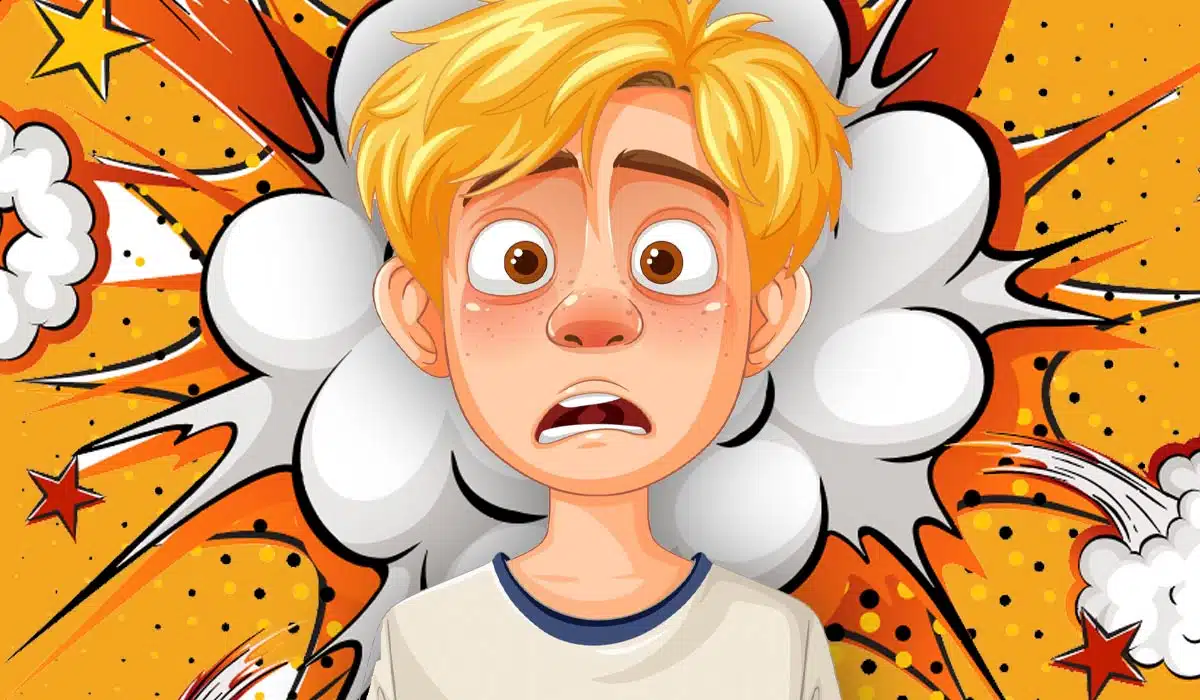

When someone has a kidney stone attack, it can feel like the stone came out of nowhere.
One day, you are fine. The next day, you are writhing in pain on the bathroom floor, wondering what in the world is happening to your body.
But most kidney stones do not form overnight.
The pain may start suddenly, but the stone usually has a longer story. It often begins as tiny crystals in the urine. Over time, if the urine continues to favor stone formation, those crystals can grow. Eventually, a stone may sit quietly in the kidney without causing symptoms. Then one day it moves, blocks urine flow, and suddenly that quiet little crystal becomes a full-blown crisis.
That is why prevention matters. We are not just trying to prevent pain. We are trying to change the conditions in the urine that allow stones to form in the first place.
What a Kidney Stone Really Is
A kidney stone is a hard deposit made from minerals and other substances found in urine. Your kidneys filter your blood all day long. They remove excess waste and fluid, then send it out through your urine.
Urine is supposed to contain minerals and waste products. That part is normal. The problem starts when certain substances become too concentrated and begin to stick together. This is why drinking water is so critical in stone prevention.
The most common type of kidney stone is a calcium oxalate stone, but other types include calcium phosphate, uric acid, struvite, and cystine stones.
The type of stone matters because prevention is not the same for everyone. A person making uric acidstones may need a different strategy than someone making calcium oxalate stones. That said, the Kidney Stone Diet® still helps lower risk for all stone formers because it focuses on the big things that support healthier urine: more fluids, lower sodium, enough calcium, less added sugar, the right amount of meat protein, and oxalate awareness when needed.
Some patients may also need medication, depending on their stone type and 24-hour urine results. Diet is the foundation, but sometimes diet and medication work best together. That is why testing matters so much. It helps show whether food changes are enough or whether your doctor may need to add medication to lower your risk even more.
This is why guessing is not enough. You need to know what kind of stone you make and what your urine is doing.
How the Crystal Starts
A kidney stone often starts with tiny crystals in the urine.
When urine is well diluted, stone-forming minerals have a harder time finding each other and sticking together. But when urine becomes too concentrated, those minerals are packed into a smaller amount of fluid. That gives them a better chance to meet, bind, and form crystals.
Those crystals are not always a problem. Sometimes the body passes them before they ever become a stone. But if the urine keeps creating the right conditions for crystal growth, those crystals can become larger and harder.
That is how the process can move from a tiny crystal to a stone.
This is one of the reasons hydration is such a major part of prevention. Drinking enough fluid is not just some boring health tip everyone throws around because they ran out of ideas. We are trying to keep the urine diluted enough so stone-forming minerals have a harder time sticking together.
How a Stone Grows
Once crystals begin to form, they can grow if the urine continues to favor stone formation.
Several things can increase that risk. Low urine volume is one of the biggest. If you are not producing enough urine, everything in it becomes more concentrated. High urine calcium can also raise risk. High urine oxalate can matter, especially for calcium oxalate stone formers. Low citrate can be a problem because citrate helps keep crystals from growing into stones. Urine pH also matters because certain stones form more easily in acidic urine, while others form more easily in higher pH urine.
This is why kidney stone prevention is not about one food, one drink, or one supplement.
It is about the whole urine environment.
A person can be doing one thing “right” and still have another risk factor pushing stone formation along. That is why a patient can say, “But I drink water” and still make stones. Or, “But I lowered oxalate” and still make stones. Or, “But I eat healthy” and still make stones.
Healthy eating is wonderful. But kidney stone prevention has to be more specific than that.
How Long Does It Take a Kidney Stone to Form?
There is no perfect answer for how long it takes a kidney stone to form.
For some people, stones may grow more quickly. For others, they may take months or years. It depends on many factors, including urine volume, urine calcium, urine oxalate, urine citrate, urine pH, sodium intake, added sugar intake, meat protein intake, supplements, medications, medical conditions, and genetics.
This is why two people can eat the same food and have very different outcomes.
One person may eat spinach every day and never make a stone. Another person may do that and get into trouble because their urine chemistry is different. One person may tolerate certain foods just fine. Another person may need a more careful plan because their 24-hour urine shows a higher risk.
That does not mean food does not matter. Food matters very much. But kidney stone prevention is not about blaming one food and calling it a day.
It is about understanding what your urine reveals.
Why a Stone Can Sit Quietly
A kidney stone can sit quietly in the kidney before you ever know it is there. It may not cause pain. It may not cause symptoms. It may only be found because you had imaging done for another reason.
This is important because patients often connect the pain to whatever they ate right before the attack.
They may say, “I had nuts yesterday. Did that cause the stone?”
Or, “I ate chocolate last week. Is that why this happened?”
But the stone may have been there long before that meal.
That does not mean diet is not connected to stone risk. It absolutely can be. But one food from yesterday usually does not explain a stone that may have been forming for a long time.
Patterns matter more than panic. I cannot stress this enough.
From Quiet Stone to Crisis
The crisis often begins when the stone moves.
A stone sitting quietly in the kidney may not hurt. But if it moves into the ureter, the small tube that carries urine from the kidney to the bladder, it can block the flow of urine. That blockage can cause severe pain.
This is why someone can feel completely fine one day and end up in the emergency room the next.
The stone did not form that day. It may have simply moved that day.
That distinction matters. If we think the stone formed suddenly, we may chase the wrong answer. We may blame the last meal, the last snack, or the last drink. But if we understand that stones often form over time, then prevention becomes more practical.
We stop asking, “What did I do yesterday?”
We start asking, “What conditions in my urine allowed this stone to form?”
What Makes Urine More Likely to Form Stones?
Several urine changes can raise kidney stone risk.
Low urine volume is one of the biggest issues. When you do not make enough urine, minerals become more concentrated. This gives stone-forming minerals more opportunity to stick together.
High urine calcium can also raise risk. This can happen for different reasons, including high sodium intake, certain medical conditions, some supplements, or hormone issues such as parathyroid problems.
High urine oxalate can raise risk, especially for people who form calcium oxalate stones. But oxalate is only one part of the story. Many patients become terrified of oxalate and forget that sodium, calcium, sugar, meat protein, and fluids matter too.
Low urine citrate is another common issue. Citrate helps prevent crystals from growing into stones. When citrate is low, the urine has less natural protection.
Urine pH matters too. Some stones are more likely to form in acidic urine. Other stones are more likely when urine pH is higher. This is why advice that helps one stone former may not help another.
Your urine chemistry matters. That is where the real clues are.
Why the 24-Hour Urine Test Matters
You cannot look at a person and know why they made a kidney stone. Nor is a person simply a “stone former.”
You cannot tell from the pain level. You cannot tell from one meal. You cannot tell from the internet’s favorite villain food of the week.
A 24-hour urine collection helps show what is happening in your urine over a full day. It can measure urine volume, calcium, oxalate, citrate, sodium, uric acid, pH, and other important risk factors.
That information matters because two people can both make calcium oxalate stones for very different reasons.
One person may need to focus mainly on fluids and sodium. Another may need to work on calcium timing and oxalate. Another may have low citrate. Another may need bloodwork to check calcium, vitamin D, kidney function, or parathyroid hormone.
The stone is the result. The urine chemistry helps explain why it happened.
Diet Matters, But It Has to Be the Right Diet
Many patients are told to “just drink more water,” or “avoid oxalate,” or my personal favorite, “drink lemon water.” Those things may matter, but they are not the whole plan.
Kidney stone prevention works best when we look at the bigger pattern. That is why the Kidney Stone Diet® focuses on six main goals: hydration, sodium, calcium, added sugar, meat protein, and oxalate.
These goals work together.
Hydration helps dilute the urine, so stone-forming minerals are less likely to stick together. Lowering sodium intake can reduce urine calcium in many patients. Getting the right amount of calcium, especially with meals, can help bind oxalate in the gut before it gets into the urine. Lowering added sugar can support healthier urine chemistry and overall health. Eating the right amount of meat protein may help reduce risk factors such as high uric acid, low citrate, and more acidic urine in some patients. Oxalate awareness can help, but it should not turn into fear or over-restriction.
That is the part many patients miss. Prevention is not about chasing one food. It is about changing the daily conditions that allowed the stone to form.
You Do Not Have to Change Everything at Once
One of the hardest parts of kidney stone prevention is that patients often feel overwhelmed. They leave the doctor’s office with a stone diagnosis, search online, and suddenly, it feels like every food is dangerous.
That is not helpful. And it is not necessary.
You do not have to fix everything in one day. You start with what matters most. For many people, that means starting with fluids, then looking at sodium, calcium, added sugar, meat protein, and oxalate in a practical way.
This should feel like a plan, not a punishment.
The goal is not to become afraid of food. The goal is to understand your urine chemistry, make changes that matter, and build a way of eating you can actually live with.
The Bottom Line
Kidney stones usually have a story before the pain ever starts.
A stone may begin as tiny crystals in the urine. Those crystals can grow over time if the urine continues to favor stone formation. The stone may then sit quietly in the kidney until it moves or blocks urine flow. That is when the crisis often begins.
This is why prevention needs to focus on the long-term urine environment, not one meal, one snack, or one scary food list.
The good news is that kidney stone prevention is possible. Testing helps you stop guessing. Diet helps you change the daily conditions in your urine. And when you understand the six Kidney Stone Diet® goals, you can start making changes that feel manageable rather than overwhelming.
You do not have to change everything at once.
You need the right information, the right testing, and a plan you can actually live with.
Your friend,
Nurse Jill







Leave a Reply