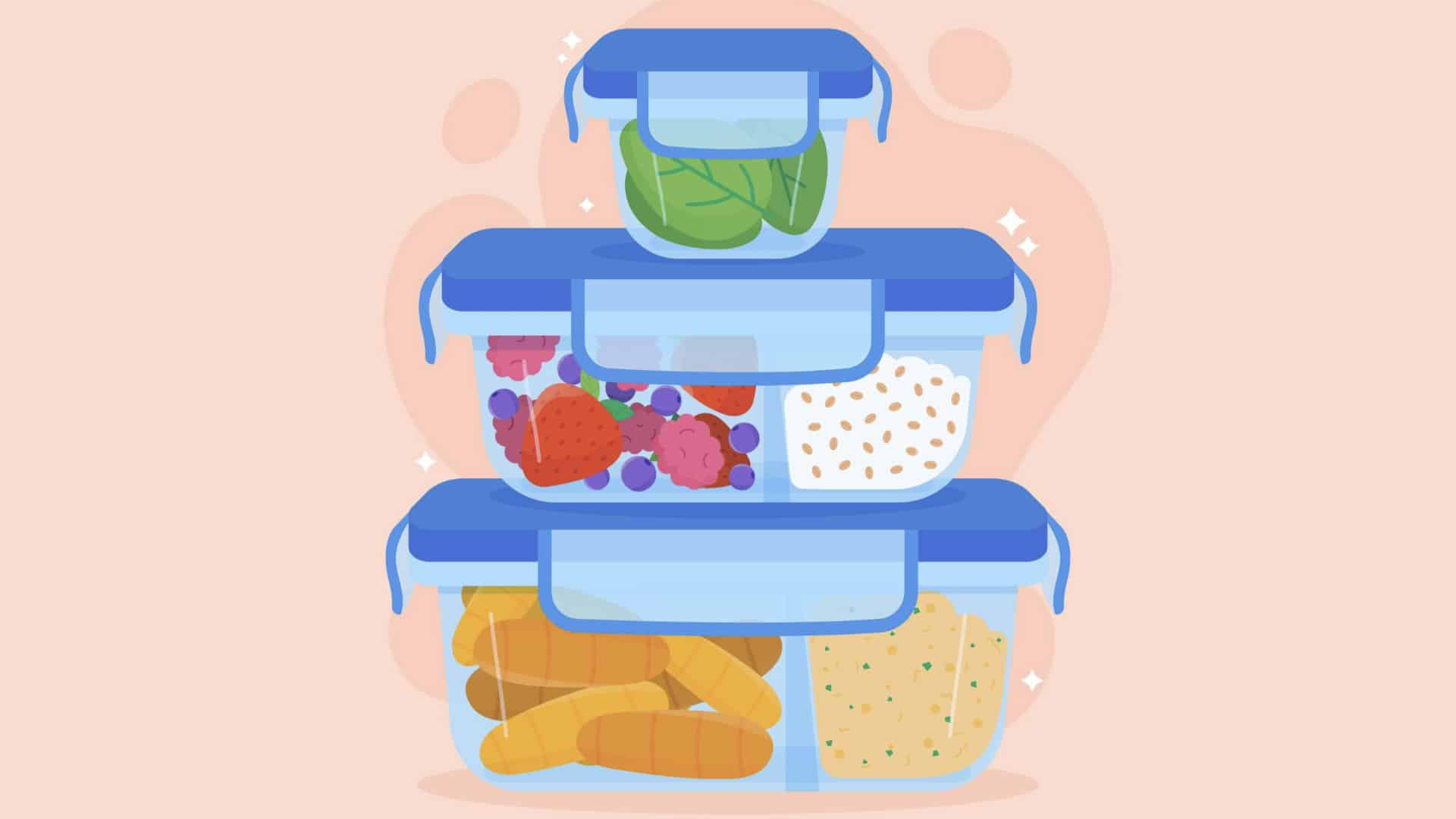

Batch cooking and freezer meals make following the Kidney Stone Diet® easier because you can prepare several meals at once instead of starting from scratch every night. By spending a little time in the kitchen on Sunday, you can have homemade meals ready throughout the week that already fit your kidney stone prevention goals.
One of the biggest challenges I hear from my patients isn’t that they don’t know what to eat. It’s that they’re busy, tired, and don’t always have the energy to cook after a long day. I understand that completely. After a busy day, the last thing you want is to stand in front of the refrigerator trying to figure out what to make for dinner. That’s when having something already prepared can make all the difference.
I want you to think about meal prepping differently. You don’t need to spend your entire Sunday cooking seven days’ worth of food, and you certainly don’t need a refrigerator full of perfectly organized containers. You just need to make a few things ahead of time so that when life gets busy, you have something ready to eat. The goal is to make following the Kidney Stone Diet® easier by keeping your six goals in mind: fluids, sodium, calcium, added sugar, meat protein, and oxalate.
A Simple Sunday Cooking Plan
I always tell my patients to keep things simple because the more complicated you make something, the less likely you are to keep doing it. Meal prepping is no different. Instead of preparing every meal for the entire week, start by choosing two recipes you enjoy and making enough for leftovers. You might make a big pot of soup and a batch of turkey meatballs, or cook chicken and rice you can use in different meals throughout the week. You’re already cooking, so making a little extra doesn’t take much more effort.
I also like the idea of preparing ingredients instead of complete meals. You can cook a batch of rice, wash and chop vegetables, or prepare some chicken, tofu, or turkey that can be used in several different ways. Maybe Monday night you turn your chicken into a rice bowl, and on Wednesday you use the leftovers in a salad. Having those ingredients ready gives you flexibility without making you feel like you’re eating the same dinner every night.
Another thing to think about is which days of the week are usually your busiest. If Tuesdays and Thursdays are especially hectic, plan to have something ready those nights. There’s no reason to make your hardest days even harder by expecting yourself to cook a complete meal from scratch. Take a look at my free Kidney Stone Diet recipes and choose a couple that sound good. You don’t need fancy recipes or complicated ingredients. You need food you enjoy eating that fits your goals.
Five Freezer-Friendly Meals From My Recipes
One thing I love about cooking at home is that you control what goes into your food. You decide how much salt to use, how much meat protein to include, and what ingredients work best for you. And when you make larger batches, you can freeze portions for those nights when you really don’t feel like cooking. Here are five free recipes from my website that can help you get started!
- Low Sodium Chicken Soup
I love having homemade soup on hand because it’s comforting, easy to make in a large batch, and a convenient meal when you’re busy. My Low Sodium Chicken Soup is a wonderful option for meal prepping because you can make a big pot, enjoy some for dinner, and divide the leftovers into individual freezer containers. Next time you come home tired and don’t feel like cooking, you’ll be happy to find that soup waiting for you.
- Chicken Meatball and Couscous
Meatballs are another great option because you can make a double batch without doubling your time in the kitchen. My Chicken Meatball and Couscous recipe uses herbs and spices to give the meatballs plenty of flavor without relying on lots of salt. You can freeze the extra meatballs in individual portions and prepare your couscous when you’re ready to eat. Add a vegetable on the side, and you’ve got dinner without much cooking.
- Chili Mac
Sometimes you want a comforting bowl of something warm, especially during the colder months. My Chili Mac is made with lean turkey, tomatoes, vegetables, and pasta, and it’s a nice recipe to prepare ahead. I would make the turkey and vegetable mixture, freeze it in portions, and cook the pasta fresh when you’re ready to eat. That way, you get the convenience of having most of your meal prepared without worrying about the pasta becoming too soft in the freezer.
- Tasty Taco Bowl
You know how much I love a good bowl, and my Tasty Taco Bowl is another meal that works well when you’re cooking ahead. You can prepare the seasoned turkey and rice on Sunday and freeze extra portions for later in the week. When you’re ready to eat, reheat the turkey and rice and add fresh toppings like lettuce, tomatoes, avocado, or Greek yogurt. Also, if you are a veggie person, sub out the meat for lentils. Low in oxalates and high in fiber and protein. I especially like meals like this because you can change the toppings depending on what you have in your refrigerator, so it doesn’t feel like you’re eating the same thing over and over again.
- Pumpkin Spice Protein Bars
Meal prepping doesn’t have to be only about lunch and dinner. Breakfast can be just as hectic, especially when you’re trying to get out the door in the morning. My Pumpkin Spice Protein Bars are something you can make ahead, portion, and freeze for another week. Pair one with other foods that help you meet your calcium and protein goals, and you have a convenient breakfast or snack without having to prepare everything that morning.
These are just a few examples of how you can use recipes you already enjoy to make your week easier. You don’t need to prepare all five recipes on Sunday, and I wouldn’t suggest that you do. Choose one or two that sound good, make extra portions, and start building up a little collection of meals in your freezer. Before long, you’ll have several options without having to cook something new every single night.
Portions and Labels Make Everything Easier
If there’s one thing I want you to do when you’re freezing meals, it’s to divide them into portions before you put them away. Please don’t freeze an entire pot of soup in one huge container unless you plan to eat that much when you take it out. If you’re cooking for yourself, individual containers make much more sense because you can take out exactly what you need. If you’re cooking for a family, you can certainly use larger containers, but think about how much everyone will actually eat before deciding how to package your food.
Also, label your containers with the food name and the date you prepared it. I know this sounds like such a small thing, but after you’ve frozen a few different meals, you’d be surprised how similar everything starts to look. You don’t want to find yourself staring at a frozen container trying to remember whether it’s chili or spaghetti sauce (been there, done that)! Taking a few seconds to label everything makes your freezer much easier to use.
Portion sizes are also important when you’re following the Kidney Stone Diet because even homemade food needs to fit your daily goals. If you’re preparing a meal with chicken or turkey, think about how much meat protein you’re including in each portion. If you’re making a recipe with oxalate-containing ingredients, pay attention to how much you use and how many servings the recipe makes. And remember to include calcium-containing foods throughout your day so you’re working toward your calcium goal. Meal prepping doesn’t change the six goals. It simply makes them easier to work into your routine.
Watching Sodium in Frozen Foods
I am a big fan of using frozen vegetables because they’re convenient, affordable, and you don’t have to worry about them sitting in the refrigerator until they go bad. Plain frozen vegetables can make dinner prep much easier, especially on nights when you’re short on time. But be careful, because there’s a big difference between a bag of plain frozen broccoli and a bag covered in cheese sauce or other salty seasonings.
The same goes for frozen dinners and other prepared foods you buy at the grocery store. Just because something looks healthy on the package doesn’t mean it’s low in sodium. You need to turn the package around and read the nutrition label, paying close attention to sodium per serving and the number of servings in the container. If the package says it contains two servings and you eat the whole thing, you’re getting twice the sodium listed for one serving.
Remember, our Kidney Stone Diet sodium goal is 1,500 mg per day, and those prepared frozen meals can use up a big portion of that amount before you’ve eaten anything else. This is one reason I encourage my patients to cook at home when they can. You have much more control over the ingredients, and you can use herbs, spices, and other seasonings to make your food taste wonderful without depending on salt. My salt-free seasoning recipes can help you do exactly that.
I also understand that not everyone enjoys planning meals or deciding what to cook every week. That’s why I offer my Kidney Stone Diet Meal Plans, which can take some of that decision-making off your plate. You can use the recipes and meal ideas to plan your shopping, prepare ingredients ahead of time, and make enough food to have leftovers for another day. Sometimes the hardest part of cooking is simply deciding what to make, and having a plan can make that much easier. Every recipe will list oxalate content, too!
Here’s what I want you to remember. You don’t have to become a meal-prepping expert, spend hours in the kitchen every Sunday, or fill your freezer with dozens of containers to make this work. Maybe this weekend you make one big pot of soup, double a meatball recipe, or cook some extra rice and turkey for a couple of dinners. That’s enough to get started, and it’s certainly better than having no plan at all.
I’ve been helping patients learn how to prevent kidney stones through diet since 1998, and one of the biggest lessons I’ve learned is that people need realistic solutions that fit their everyday lives. You already have enough responsibilities, and following the Kidney Stone Diet shouldn’t feel like another full-time job.
Make foods you enjoy, keep a few meals ready for your busiest days, and remember that small changes you can stick with are far more useful than complicated plans you give up after a week.
You got this!
Your friend,
Nurse Jill, LPN, CHC





Leave a Reply