Kidney Stone Diet › The Science
The Research
The Science Behind the Kidney Stone Diet
By Jill Harris, LPN, CHC
Research by Dr. Fred Coe, Professor of Medicine, University of Chicago
Updated
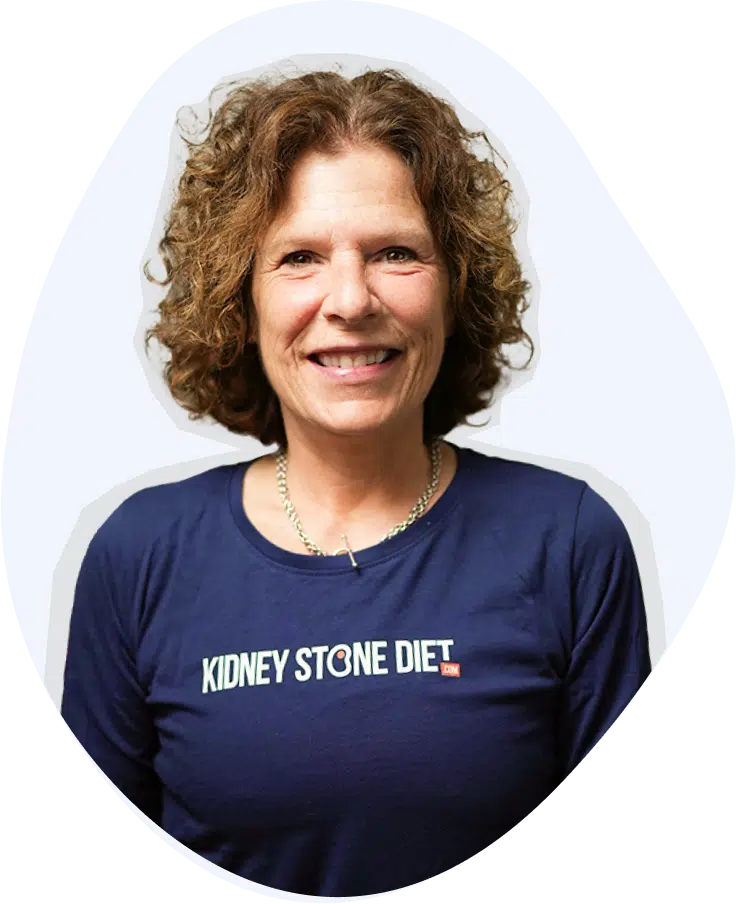
Jill Harris, LPN, CHC
Kidney stone prevention nurse since 1998
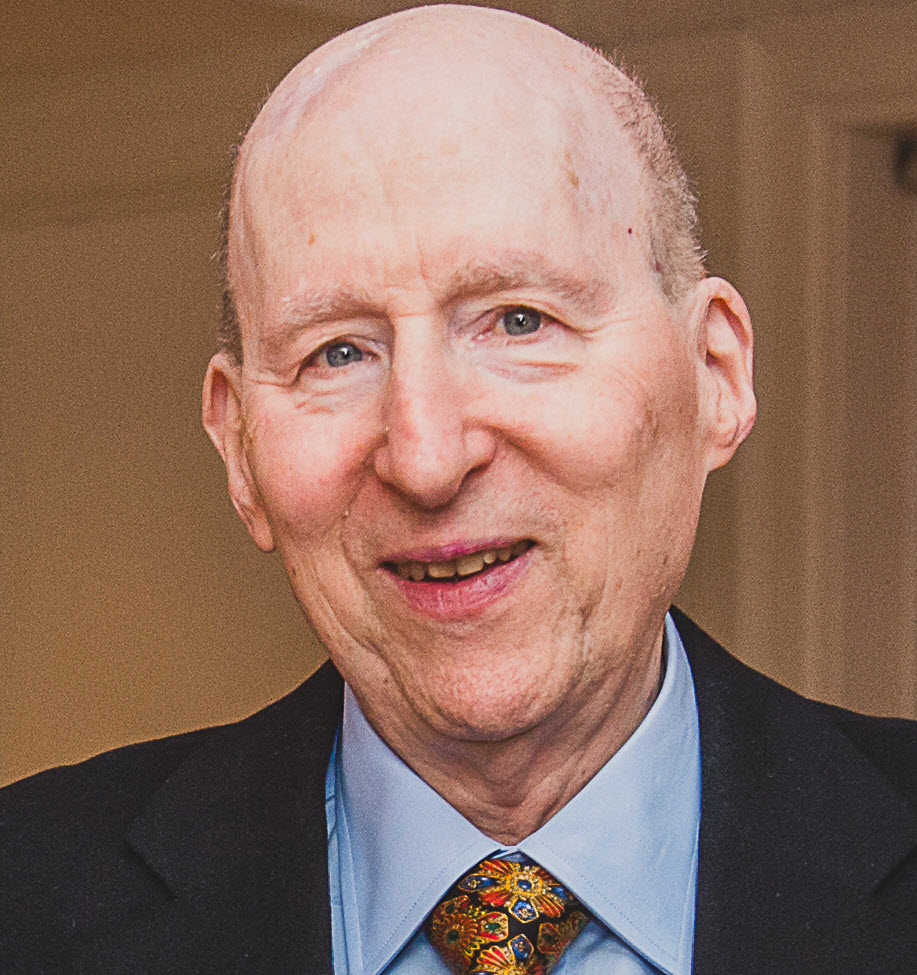
Dr. Fredric Coe, MD
Professor of Medicine, University of Chicago
When I talk about how to prevent kidney stones, everything I share is based on science. I like to teach in a simple way, but I want you to know that all my advice comes from real research.
This page has important science articles about kidney stones. These articles explain why kidney stones form, how diet can help, what surgeries might be needed, and what puts people at risk. These are the same resources I often share with my patients.
How to use this page
If you want to learn about the science behind our advice, the articles below will give you lots of good information.
If you just want simple tips to prevent kidney stones without all the science details, please visit our Kidney Stone Diet Goals page for easy-to-follow advice.
Jill Harris, LPN, CHC
Kidney stone prevention nurse since 1998
Dr. Fredric Coe, MD
Professor of Medicine, University of Chicago
Six goals and one test
Jump to a Goal
Goal 1
Goal 2
Goal 3
Goal 4
Goal 5
Goal 6
Know your numbers
Goal 1 of 6 · Fluids
Fluids
What the Research Found
Kidney stones are driven by urine that is supersaturated with calcium oxalate and calcium phosphate, and how supersaturated it gets is tied to how much someone drinks, along with the calcium and citrate in their urine (Coe et al., 2016). Across seven stone treatment centers and a research clinic, supersaturation fell with treatment in proportion to how much urine volume rose (Lingeman et al., 1998). In 2,877 patients treated in 14 practices, urine volume rose only about 0.3 liters a day, and the authors urged doctors to aim for bigger increases (Parks et al., 2003). In 28,498 urine collections, men’s urine volume dropped sharply in summer, raising their calcium oxalate supersaturation, while women’s peaked in early winter as their urine volume fell and their urine calcium rose (Parks et al., 2003).
The Papers
- Idiopathic hypercalciuria and formation of calcium renal stonesCoe FL, Worcester EM, Evan AP. Nature Reviews Nephrology, 2016.
- Medical reduction of stone risk in a network of treatment centers compared to a research clinicLingeman J, Mardis H, Kahnoski R et al. The Journal of Urology, 1998.
- Changes in urine volume accomplished by physicians treating nephrolithiasisParks JH, Goldfischer ER, Coe FL. The Journal of Urology, 2003.
- Gender differences in seasonal variation of urine stone risk factorsParks JH, Barsky R, Coe FL. The Journal of Urology, 2003.
Goal 2 of 6 · Sodium
Sodium
What the Research Found
Urine calcium above 200 mg a day raises stone risk, and low-sodium diets lower urine calcium, which may lower the risk of new stones and of bone disease (Coe et al., 2016). A review of idiopathic calcium stones concluded that more fluid, less protein and less sodium, with a thiazide medicine, prevent stones by lowering urine calcium and supersaturation (Coe et al., 2011). When patients drank more, their urine sodium tended to rise too, partly offsetting the benefit, and the authors told doctors to watch for higher sodium intake alongside more fluids (Parks et al., 2003).
The Papers
- Idiopathic hypercalciuria and formation of calcium renal stonesCoe FL, Worcester EM, Evan AP. Nature Reviews Nephrology, 2016.
- Pathophysiology-based treatment of idiopathic calcium kidney stonesCoe FL, Evan A, Worcester E. Clinical Journal of the American Society of Nephrology, 2011.
- Changes in urine volume accomplished by physicians treating nephrolithiasisParks JH, Goldfischer ER, Coe FL. The Journal of Urology, 2003.
Goal 3 of 6 · Sugar
Sugar
What the Research Found
Dr. Coe’s review of Dr. Jacob Lemann’s work describes studies in which people who form stones lost more calcium in their urine after glucose than people without stones did (Coe and Parks, 1994). How the kidneys handle calcium changes after eating carbohydrates, protein and sodium, and people with idiopathic hypercalciuria appear more sensitive to all three (Worcester and Coe, 2010).
The Papers
Goal 4 of 6 · Calcium
Calcium
What the Research Found
When 12 adults with high urine calcium who had not formed stones drank 600 mg of calcium a day as milk or calcium-fortified orange juice for four weeks, their urine changed little, and the authors concluded either can be a source of dietary calcium without raising stone risk, at least within the amounts tested (Coe et al., 1992). Among relatives of stone formers, those who had formed stones ate less calcium than those who hadn’t, and their bone density was lower the more calcium they lost in their urine; the authors concluded that eating less calcium can shift bones toward losing mineral (Asplin et al., 2003). People with idiopathic hypercalciuria (high urine calcium with no other cause) often lose more calcium than they take in, especially on a low-calcium diet (Worcester and Coe, 2008).
The Papers
- Stone-forming potential of milk or calcium-fortified orange juice in idiopathic hypercalciuric adultsCoe FL, Parks JH, Webb DR. Kidney International, 1992.
- Bone mineral density and urine calcium excretion among subjects with and without nephrolithiasisAsplin JR, Bauer KA, Kinder J et al. Kidney International, 2003.
- New insights into the pathogenesis of idiopathic hypercalciuriaWorcester EM, Coe FL. Seminars in Nephrology, 2008.
Goal 5 of 6 · Protein
Protein
What the Research Found
Protein is one of the nutrients that changes how the kidneys handle calcium, and people with idiopathic hypercalciuria appear more sensitive to it (Worcester and Coe, 2010). Less protein is one of the treatments a review of idiopathic calcium stones named, along with more fluid, less sodium and a thiazide medicine, all working by lowering urine calcium and supersaturation (Coe et al., 2011).
The Papers
Goal 6 of 6 · Oxalate
Oxalate
What the Research Found
High urine oxalate is commonly linked to dietary excess and bowel disease, and rarely to primary hyperoxaluria (Parks and Coe, 1996). On a low-oxalate diet, calcium stone formers still put out more oxalate in their urine than people without stones, and in some of them the kidneys appeared to be secreting oxalate into the urine (Bergsland et al., 2011). Stone formers who had modern bariatric surgery averaged 83 mg of urine oxalate a day, compared with 39 mg in other stone formers and 34 mg in people without stones (Asplin and Coe, 2007). Urine oxalate was modestly high after small bowel surgery and very high after intestinal bypass, while low urine volume and low urine pH were the main problems across bowel disease (Parks et al., 2003).
The Papers
- Pathogenesis and treatment of calcium stonesParks JH, Coe FL. Seminars in Nephrology, 1996.
- Evidence for net renal tubule oxalate secretion in patients with calcium kidney stonesBergsland KJ, Zisman AL, Asplin JR et al. American Journal of Physiology: Renal Physiology, 2011.
- Hyperoxaluria in kidney stone formers treated with modern bariatric surgeryAsplin JR, Coe FL. The Journal of Urology, 2007.
- Urine stone risk factors in nephrolithiasis patients with and without bowel diseaseParks JH, Worcester EM, O’Connor RC et al. Kidney International, 2003.
Know your numbers
The 24-Hour Urine Test
What the Research Found
Comparing two collections from each of 1,142 patients showed that a single 24-hour urine can differ from the next by enough to misdiagnose common problems, so one collection isn’t enough before treatment (Parks et al., 2002). Results vary so much within each person that at least two collections are needed for confidence (Coe, 2010). A few 24-hour urines track what someone’s stones are made of and are a reliable guide to their average supersaturation (Parks et al., 1997). In 2,509 patients at one stone prevention clinic open since 1969, those who stayed in care had fewer new stones and fewer procedures for more than 20 years, and their 24-hour urines showed lasting drops in supersaturation (Parks and Coe, 2009).
The Papers
- A single 24-hour urine collection is inadequate for the medical evaluation of nephrolithiasisParks JH, Goldfisher E, Asplin JR et al. The Journal of Urology, 2002.
- Stones. A matter of doubt–how best to evaluate stone formersCoe FL. Nature Reviews Urology, 2010.
- Correspondence between stone composition and urine supersaturation in nephrolithiasisParks JH, Coward M, Coe FL. Kidney International, 1997.
- Evidence for durable kidney stone prevention over several decadesParks JH, Coe FL. BJU International, 2009.
Dr. Fred Coe
Professor of Medicine, University of Chicago
Dr. Fredric Coe is a Professor of Medicine at the University of Chicago. He founded UChicago Medicine’s kidney stone program in 1969 and co-directs it today. He earned his MD at the University of Chicago, and he co-created the Kidney Stone Diet® with Jill.
His University of Chicago faculty page · His research on Google Scholar