
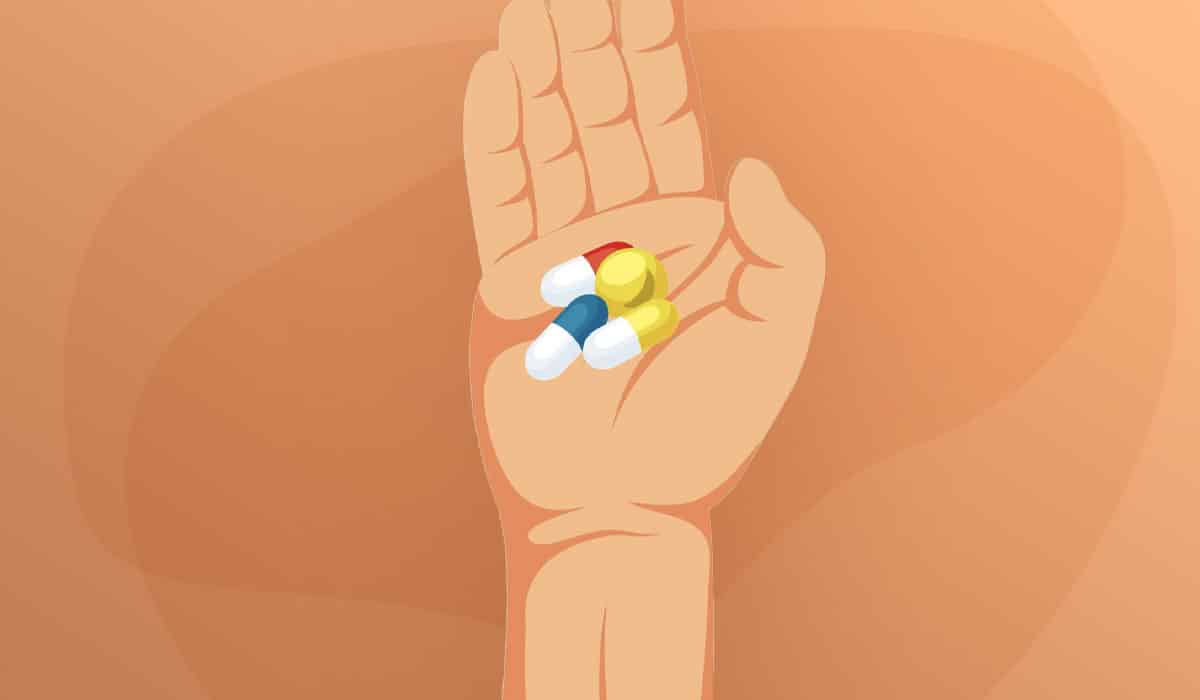

Kidney stone patients are often told to take a medication to prevent more stones before they fully understand why that medication was prescribed.
- Sometimes it’s potassium citrate.
- Sometimes it’s a thiazide-type medication.
- Sometimes it’s allopurinol.
- Sometimes it’s another medication based on the patient’s stone type, blood work, urine chemistry, medical history, or how often stones are coming back.
Medication is not the enemy. Guessing is.
I want to be very careful here because I know many of you trust me, and I take that seriously. If your doctor prescribed medication for kidney stone prevention, please do not stop taking it because of this article or because of anything you read online. I am a nurse, not your doctor, and I do not override your doctor’s orders. My job is to educate you so you can understand the bigger picture, ask better questions, and work with your doctor to get on the best prevention plan for you.
This advice is not only for kidney stone prevention. No matter what health condition you are dealing with, it is a good practice to understand why something has been prescribed, what problem it is meant to help, and how you will know if it is working. You do not need to become a doctor. You do not need to manage your care alone. But understanding the “why” behind your treatment helps you become a better partner in your own care.
In private consults, I often help patients understand why a stone prevention medication may have been prescribed because many were never fully told what problem the medication was meant to fix. When you understand why you are taking something, you tend to be more compliant with taking it.
And, I don’t want you to hear “medication” and think the diet no longer matters. Medication and diet are not enemies. They are two parts of the same prevention plan. The medication can help treat one urine problem, while the Kidney Stone Diet® helps support the daily habits that affect your urine chemistry over time.
A kidney stone prevention medication should have a clear job. It should be chosen because your doctor is trying to fix a specific problem that is affecting your body. That problem is often found through a 24-hour urine collection, along with blood work, stone analysis, imaging, and your medical history.
If you are taking a pill and no one has explained what it is supposed to fix, that is where I want you to slow down and ask better questions. Not confrontational questions. Not “I read something online, and now I know more than you” questions. Real patient advocacy questions.
You can ask, “What did my 24-hour urine collection show?” You can ask, “What problem is this medication treating?” You can ask, “How will we know if it is working?” You can ask, “Will we repeat the 24-hour urine collection after I start it?”
Asking those questions does not make you a difficult patient. It makes you an informed one, and informed patients are better able to follow the plan because they understand why it matters.
Why the 24-hour urine collection matters
A kidney stone does not tell the whole story.
Two people can both form calcium oxalate stones, yet have very different reasons for doing so. One person may have low urine volume. Another may have high urine calcium. Another may have low citrate. Another may be eating too much sodium. Another may have high urine oxalate. Many people have more than one issue happening at the same time.
That is why the 24-hour urine collection is so important. It shows what is happening in your urine over a full day. It can help identify urine volume, calcium, oxalate, citrate, sodium, uric acid, urine pH, and other risk factors. These values help your clinician see your actual pattern instead of guessing from the stone name alone.
A 24-hour urine collection can be helpful even after a first stone because it gives you and your clinician information about why the stone may have formed. Some providers wait until a person has had more than one stone before ordering it, but I do not want patients to think they have to earn prevention by suffering through another one. If you have had a kidney stone, it is reasonable to ask whether a 24-hour urine collection makes sense for you.
The American Urological Association supports metabolic testing with one or two 24-hour urine collections in high-risk or recurrent stone formers. The guideline says urine should be checked for total volume, pH, calcium, oxalate, uric acid, citrate, sodium, potassium, and creatinine.
This is the part patients often miss. The test helps guide prevention. Otherwise, you are being treated blindly.
A pill should match a known problem.
Let’s use a few common examples.
If your urine citrate is low, your doctor may prescribe potassium citrate. Citrate can help lower stone risk in some patients by binding calcium in the urine, making it harder for crystals to form.
But potassium citrate can also raise urine pH. That may be helpful for some stone types, such as uric acid stones, because they tend to form in acidic urine. But a higher urine pH may require careful monitoring in some calcium phosphate stone formers, as calcium phosphate stones tend to form more easily at higher pH.
That does not mean potassium citrate is bad. It means the details matter.
If your urine calcium is high, your doctor may consider a thiazide-type medication. These medications are often used to lower urine calcium in certain stone formers. But high urine calcium can also be affected by sodium intake, calcium intake, certain medical conditions, and other factors. High sodium intake can increase calcium excretion in the urine for many stone formers, which is one reason lowering sodium intake is such an important part of the Kidney Stone Diet®.
If your uric acid is high, or if your stone type and lab values point in that direction, your doctor may consider allopurinol or another treatment, depending on the full picture.
The point is not that every patient needs medication. The point is that medication should not feel random. Your prevention plan should be tied to your numbers.
If medication is started, it is reasonable to ask when the 24-hour urine collection should be repeated so you and your doctor can see whether the plan is working. You do not just want to take a pill and hope. You want to know if the pill is doing what it is supposed to do. Unfortunately, follow-up testing is often neglected in stone prevention. Make sure to get one ordered.
Understanding the plan behind the prescription
Many doctors know exactly what they are doing, and medication may be the right choice for you. The goal is not to question your doctor’s knowledge or ignore their advice. The goal is to understand the reason behind the recommendation so you can be more involved in your own prevention plan.
This blog is not about blaming doctors. Doctors are busy. Appointments are short. Kidney stone prevention can be more complicated than patients are told. Sometimes a medication is appropriate based on stone type, blood work, imaging, past urine collections, medical history, or the number of stones a person has had.
But you still deserve to understand the plan.
You deserve to know why you are taking something. You deserve to know what it is supposed to change. You deserve to know whether anyone is checking whether it worked.
This is especially important because kidney stone prevention medications are often taken long-term. If you are going to take a medication every day, you should know what problem it is treating and how your eating and drinking habits still fit into the plan.
Asking for that explanation is not rude. It is part of being involved in your own care.
The problem with treating the stone name only
Many patients hear “calcium stone” and assume calcium is the problem. That is not always true.
In fact, lowering dietary calcium too much can backfire for many calcium oxalate stone formers. Calcium eaten with meals can bind oxalate in the gut. When there is not enough calcium in the diet, more oxalate may be absorbed and later appear in the urine.
This is why “calcium stone” is not enough information. You need to know what your urine is doing.
A calcium oxalate stone former with low urine volume and high urine sodium needs a different conversation than a calcium oxalate stone former with high urine oxalate and low calcium intake. A calcium phosphate stone former with high urine pH needs a different conversation than a uric acid stone former with low urine pH.
This is why the stone type is only part of the story. Two patients can both make calcium oxalate stones, but the reasons behind those stones may be very different. One person may need to work on urine volume and sodium. Another may need help with calcium timing and oxalate. Another may need medication because of low citrate or high urine calcium. The prevention plan should match the reason the stone is forming, not just what the stone is made up of.
What to ask if you were prescribed a pill
If your doctor prescribed medication for kidney stone prevention, you do not need to panic. You also do not need to stop anything on your own. Please do not do that.
But you can ask better questions.
You can ask what your 24-hour urine collection showed. You can ask which urine value the medication is supposed to improve. You can ask whether your urine calcium is high, whether your citrate is low, whether your urine pH is part of the issue, whether your urine volume is too low, or whether your sodium intake may be affecting your urine calcium.
You can also ask whether your stone was analyzed. If you do not know what kind of stone you make, that is important information to obtain. Different stones can have different causes, and prevention should not be treated like a one-size-fits-all plan.
You may also want to ask whether blood work is needed, such as serum calcium, PTH, vitamin D, phosphorus, creatinine, or uric acid. Not every patient needs every test, but these labs can sometimes help your clinician determine whether factors beyond diet are contributing to your stone risk.
And one of the most important questions is this: “When will we repeat the 24-hour urine collection to see if this is working?”
You can also ask, “How should I eat and drink while taking this medication?” That question matters because a pill cannot replace the need for the Kidney Stone Diet®. Your daily habits still affect your urine, and your prevention plan should include both medical guidance and practical diet changes when they are needed.
When medication may be very helpful
Some patients absolutely need medication.
Diet matters, but diet is not magic. Some people make stones because of medical conditions, genetic tendencies, high urine calcium that does not fully respond to diet, low citrate, uric acid issues, bowel disease, bariatric surgery, recurrent infections, or other risk factors.
The goal is not to avoid medication at all costs. The goal is to use the right tool for the right problem.
But medication does not mean the Kidney Stone Diet® no longer matters. In many cases, medication is working on one part of the problem while diet is still helping with the daily urine chemistry that influences stone risk. Fluids, sodium, calcium, added sugar, meat protein, and oxalate can still matter even when a medication is part of the plan.
Food is one tool. Fluids are one tool. Lowering sodium is one tool. Getting enough calcium with meals is one tool. Medication can also be one tool.
The best prevention plan is not usually “just take a pill” or “just change your diet.” It is understanding what your body needs and using the right combination of tools.
What I want patients to understand
The 24-hour urine collection is one of the most useful tools we have in kidney stone prevention because it shows what is happening in your urine over a full day.
It helps move you from guessing to understanding. It helps show whether your prevention plan is working. It can help your doctor decide whether diet changes are enough, whether medication is needed, or whether the medication dose needs to be adjusted.
That is exactly why testing matters. Kidney stone prevention is not just “drink more water,” or “avoid oxalate,” or “take this pill.” It is the full picture.
Where the Kidney Stone Diet® fits in
The Kidney Stone Diet® does not disappear just because medication is prescribed. Medication may be needed, and it may be very helpful, but your daily eating and drinking patterns still affect what shows up in your urine.
The Kidney Stone Diet® is not about one food, one supplement, one pill, or one magic trick. It is about the full pattern.
Hydration matters because concentrated urine makes it easier for crystals to form. Sodium matters because high sodium can increase urine calcium in many patients. Calcium matters because enough calcium with meals can help bind oxalate in the gut. Added sugar matters because it can affect overall health and may worsen urine chemistry in ways many patients do not realize. Meat protein matters because too much can affect urine chemistry, including citrate, calcium, and uric acid risk factors in some people. Oxalate matters, but it is only one part of the plan.
Those pieces matter because they can affect what shows up in the urine. But the order and importance of those changes can vary from person to person.
That is why I always come back to testing.
The 24-hour urine collection helps you stop guessing. It gives you and your medical team real information to work with. From there, you can build a prevention plan that makes sense for your body, rather than chasing every kidney-stone tip on the internet.
A gentle next step
If you were prescribed a pill and no one explained why, your next step is not to panic, and it is not to stop the medication on your own. Your next step is to ask.
Ask what problem the medication is supposed to fix. Ask what your 24-hour urine collection showed. Ask if the test should be repeated after treatment starts. Ask whether diet changes are part of the plan.
If you are already taking medication, the next step is not to stop it on your own. The next step is to ask your doctor what the medication is meant to fix and whether a 24-hour urine collection has been done or should be repeated. That way, you are not rejecting the plan. You are trying to understand the plan.
This is where patient education matters. My role is not to replace your doctor. My role is to help you understand the bigger picture so you can walk into your appointment with better questions and leave with a clearer plan. I see this often in consults: patients are taking a medication, but they do not always know why. Once they understand what the medication is supposed to help with, they are often more willing and able to take it consistently because the plan finally makes sense.
And if you have not had a 24-hour urine collection yet, ask for it. For all stone formers, it is one of the most useful tools we have.
You can read more here about why this test matters.
The bottom line
If your doctor prescribed a medication for kidney stone prevention, it may be exactly what you need. Please do not stop medication on your own, and please do not use this article as a replacement for medical advice from your doctor.
But you still deserve to understand why you are taking it. You also deserve to understand how diet fits into the plan, because medication does not erase the need for the Kidney Stone Diet®.
This is good practice, no matter what condition you are dealing with. Understanding why something was prescribed helps you follow the plan with more confidence and ask for clarification when something does not make sense.
Ask what your urine showed. Ask what number the medication is supposed to improve. Ask when the 24-hour urine collection will be repeated. Ask how your eating and drinking habits should support the medication, not work against it.
You are not trying to be a difficult patient. You are trying to be an informed one, and informed patients make better decisions because they understand the reason behind the recommendation.
Your friend,
Nurse Jill






Leave a Reply