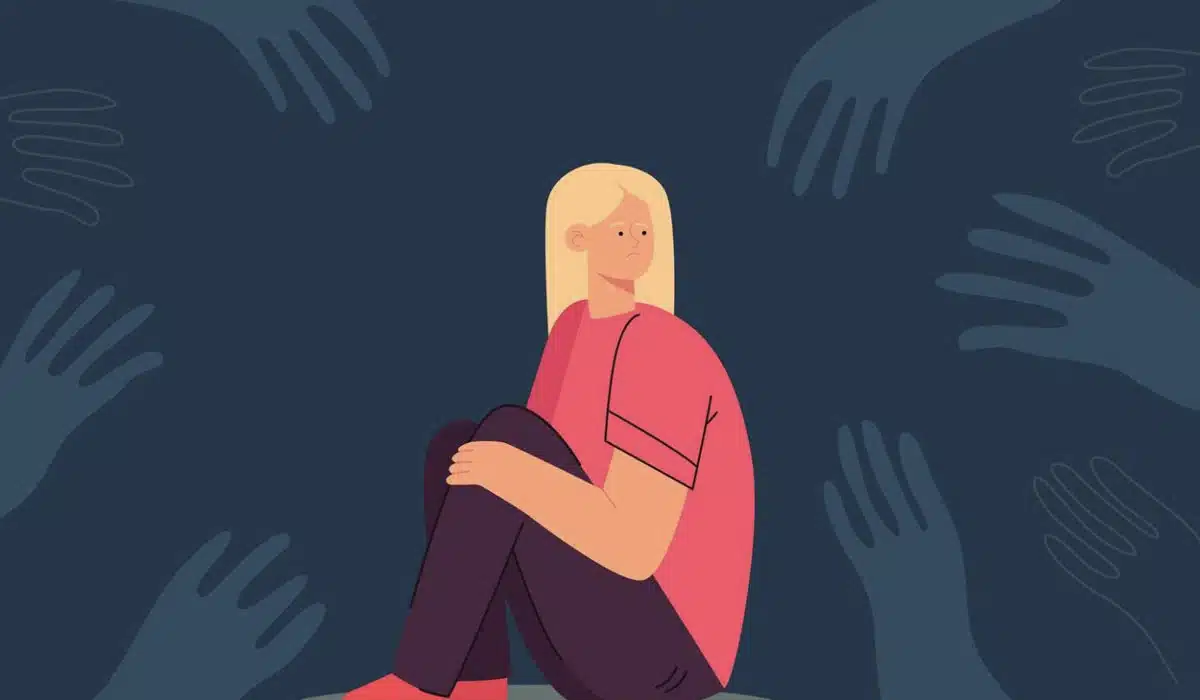

Living longer is a gift. Living better is the goal.
We are living longer than people did generations ago, and that is something to be grateful for. Many of us are alive because of better surgeries, medications, screenings, treatments, and doctors who knew what to do when our bodies needed help. I, for one, can attest to these facts. Read about my cancer story here.
But living longer does not always mean living those extra years in good health.
Many people spend the later part of life managing chronic illness, taking several medications, seeing more specialists, paying more medical bills, and trying to stay independent while their body keeps asking for more help. I do not say that to scare you. I say it because prevention matters long before we think it does.
According to the CDC, in 2023, 93% of older adults had at least one chronic condition, and nearly 79% had more than one. The CDC also reports that 90% of the nation’s $4.9 trillion in annual health care spending is for people with chronic and mental health conditions. That is a lot of illness, a lot of appointments, a lot of medication, and a lot of money.
Modern medicine has helped us survive longer. That matters. But the bigger question is this: how do we help ourselves live those years with more strength, more energy, fewer complications, and as much independence as possible?
That is where our daily habits come in.
Chronic illness often builds slowly.
Many chronic illnesses do not show up overnight. Some are genetic. Some are related to aging. Some come from things we could not control. Some happen even when we have done many things “right.”
But many are also shaped by the habits we repeat for years.
- What we eat most often matters.
- How much sodium we eat matters.
- How much added sugar we eat matters.
- How much water we drink matters.
- How often we eat highly processed foods matters.
This is not about blame. It is about awareness.
We live in a food world that makes the less healthy choice very easy. Highly processed foods are everywhere. They are fast, cheap, convenient, and designed to taste good.
Food companies know exactly what they are doing. They study salt, sugar, fat, crunch, softness, smell, texture, and mouthfeel. They know how to make food easy to keep eating.
That does not mean you are weak if you struggle with these foods. It means you are living in a food environment designed to make it harder to stop.
Many highly processed foods are low in fiber, high in sodium and added sugar, and not very filling for the calories they provide. You can eat quite a bit before your body has time to say, “Enough.” This is why changing habits can feel so hard. We are not just fighting hunger. We are fighting years of habits and a food industry that knows how to keep us reaching for more.
And here is the hard part: most of us do not change because someone hands us a beautiful educational pamphlet.
We change when something finally gets our attention.
Sometimes fear opens the door.
Many of my patients tell me their doctors have asked them, “What finally got you to change?”
And they answer, “Nurse Jill did.”
I always appreciate that, but I also know the full truth.
- I give the information.
- I explain the urine collection.
- I teach the Kidney Stone Diet®.
- I help people understand how sodium, calcium, added sugar, meat protein, fluids, and oxalate relate to their risk of stone formation.
- But I also help each person make a plan that fits their real life.
That matters because no two patients eat, live, cook, shop the same, or have the same health concerns. Some people eat out often. Some hate cooking. Some are trying to manage diabetes, high blood pressure, gut issues, bone loss, or weight. Some are overwhelmed by oxalate lists. Some are afraid to eat almost everything by the time they find me.
My job is not to hand every patient the same plan and hope they figure it out. My job is to take the science and turn it into something they can actually do. And I love it.
We talk about how they like to eat, what they are willing to change, what feels realistic, what feels too hard right now, and where the biggest risks are showing up in their 24-hour urine collection. That makes the process less confusing and much less overwhelming.
But the patient brings something powerful to the table, too.
Fear.
Not fear in a hopeless way. Not fear that makes them shut down. But the kind of fear that says, “I never want to go through that again.”
They remember the pain. They remember being on the bathroom floor. They remember the ER. They remember the stent. They remember missing work, missing family events, missing sleep, and waiting for the next attack. They remember the helpless feeling of not knowing when another stone might move.
That fear can become motivation.
I wish people did not have to suffer first. I wish they did not have to pass a stone, need surgery, or live with a stent before prevention felt urgent. But for many people, the kidney stone is what finally makes them willing to look at habits they had ignored for years.
We humans typically need a strong consequence before we make changes. I have had thousands of patients tell me, “Jill, this is the first time in my life I have been able to keep weight off.”
Am I magical? No. That kidney stone pain was the motivating magic the patient needed to create the lifestyle consistency that had been lacking throughout their adult life.
That is the kidney stone fear factor.
It is painful. It is real. And when used correctly, it can become a turning point.
Let’s use blood pressure as an example.
I have worked with many kidney stone patients who are also on blood pressure medication. Very often, they are still eating a high-sodium diet.
And when we talk about sodium, some will say, “But I’m already on blood pressure medicine.”
In their mind, the medication meant they could keep eating the same way. They did not understand that eating lower sodium still matters, even when you are taking medication.
That is not because they are careless. Many were never taught this in a way that made sense. They were given the prescription, but not always the full explanation of how food, sodium, blood pressure, kidney health, and stone risk are connected.
Medication can be very important. I am a nurse, and I am not telling anyone to stop a medication. If your doctor prescribed it, take it as directed and talk to your doctor about any changes.
But medication does not erase the need for lifestyle habits.
For many stone formers, lowering sodium matters because high sodium can raise urine calcium. Higher urine calcium levels can increase the risk of calcium-based kidney stones. That same high-sodium pattern can also make blood pressure harder to manage.
The Kidney Stone Diet® can help the patient see a different picture.
When patients finally start reading labels, they are often shocked. They realize sodium is not just coming from the salt shaker. It is in restaurant meals, deli meats, frozen dinners, soups, sauces, salad dressings, fast food, breads, packaged snacks, and foods they never thought of as “salty.”
Then they start lowering sodium to prevent stones, and sometimes their doctors notice their blood pressure improving as well.
Some patients can reduce or even come off blood pressure medication under their doctor’s supervision. Not everyone. Not always. And never without their doctor’s guidance. But it does happen, and doctors are often surprised by how much has changed once the patient finally understands why sodium matters.
The stone got their attention. The education gave them direction. The personalized plan made it feel possible. The habit change did the work.
The Kidney Stone Diet® brings people back to the basics.
The Kidney Stone Diet® is not just about avoiding stones. It is also a way to help people come back to the basics of healthier eating.
When you start lowering sodium, you naturally begin paying attention to processed foods, restaurant meals, frozen dinners, packaged snacks, sauces, dressings, deli meats, and fast food. That matters for kidney stone prevention because high sodium can raise urine calcium in many stone formers. But lowering sodium also supports healthier blood pressure, which matters for heart health, kidney health, and long-term independence.
When you start lowering your added sugar intake, you begin to notice how much sugar is hiding in drinks, cereals, yogurt, coffee drinks, desserts, sauces, and snack foods. That matters for kidney stone prevention, but it also supports blood sugar control, triglyceride levels, weight management, reduced risk of fatty liver, and overall metabolic health.
When you drink enough water, you are helping dilute your urine, which is one of the most important kidney stone prevention habits. You are also supporting your kidneys, digestion, and your body’s basic functions every day.
When you get enough calcium from food, you help bind oxalate in the gut and support your bones. And as we age, bone health becomes a major concern. A fall, a fracture, or bone loss can change someone’s life quickly.
When you keep meat protein portions reasonable, you are helping support healthier urine chemistry for many stone formers. You are also learning to build a more balanced plate, rather than making meat the whole show.
And when you manage oxalate successfully, using one reliable list and your 24-hour urine results, you stop letting internet fear run your diet.
The Kidney Stone Diet® is not flashy. It is not extreme. It will not go viral with someone yelling in a grocery store aisle. But it works because it brings people back to the habits that matter most.
The younger you start, the better.
This is why I want younger readers to pay attention now, not later.
It is easy to think, “I’ll worry about this when I’m older.” I understand that. We, the elders, thought the same thing. When you feel well, it is easy to believe your body will keep forgiving everything forever.
But the body does not work that way. It adapts to what we do most often.
If we eat high-sodium, highly processed foods most days, our bodies have to manage that load. If we drink very little water, our urine is more concentrated. If we rarely get enough calcium, our bones and oxalate balance may both be affected over time. If our usual pattern is low in fiber, low in produce, high in salt, and high in added sugar, that pattern matters.
Not one meal.
The pattern.
This is why I would rather see someone begin small changes now than wait until fear forces them to pay attention later. Fear can be a powerful motivator, but we do not have to wait for the next stone, the next prescription, the next diagnosis, or the next bad lab result to begin.
Small habits become your future health.
The good news is that better patterns can start small.
You do not need to throw out every food in your house. You do not need to become a different person by Monday. You do not need to meal prep 47 glass containers and pretend plain grilled chicken is a spiritual experience.
You just need to begin repeating more habits that help than hurt.
- Drink more water.
- Look at sodium labels.
- Choose fewer packaged foods when you can.
- Eat more meals made from basic ingredients.
- Get enough calcium.
- Cut back on sugary drinks and sweets you eat out of habit rather than joy. Build a plate with protein, produce, and a carbohydrate that works for your body.
- Go out to eat and enjoy your life, but learn how to make better choices most of the time.
Where the real change happens.
Not in one perfect meal. Not in one supplement. Not in one dramatic promise to “start over” on Monday.
The real change happens when better choices become your norm.
Most people think healthy aging is something to worry about later, but later is built now. The food you eat, the muscles you build, the blood pressure you manage, the blood sugar you protect, the stones you work to prevent, and the bones you support all matter.
These choices are not about looking perfect. They are about protecting your future life. They are about having the strength and freedom to travel, walk, lift your groceries, play with grandkids, recover from setbacks, and spend more of retirement enjoying life instead of managing appointments.
Of course, we cannot control everything. You can do many things right and still get sick. You can eat well and still need medication. You can exercise and still face a diagnosis. You can be careful and still have a kidney stone.
If you are overwhelmed, start with one thing this week. Drink more water. Read one sodium label. Notice the added sugar in something you eat often. Add calcium to one meal. Cook one extra meal at home. Choose one habit that feels possible, repeat it until you build your confidence, and then move on to another habit. Slow change is better than no change.
Because your future body is listening.
The bottom line
Living longer is a gift, but living longer with better health is the goal. Many chronic diseases build over time, and while we cannot control everything, our daily habits do matter.
For many kidney stone patients, the fear of another stone becomes the motivation they need to finally change. I wish pain did not have to be the teacher, but sometimes it opens the door. The Kidney Stone Diet® provides patients with a structure once they are ready: more water, less sodium, less added sugar, enough calcium, reasonable portions of meat protein, and oxalate management.
These habits help lower the risk of kidney stones and support better long-term health. Start small. Repeat often. Your future self is worth the effort.
Your friend,
Nurse Jill




Leave a Reply