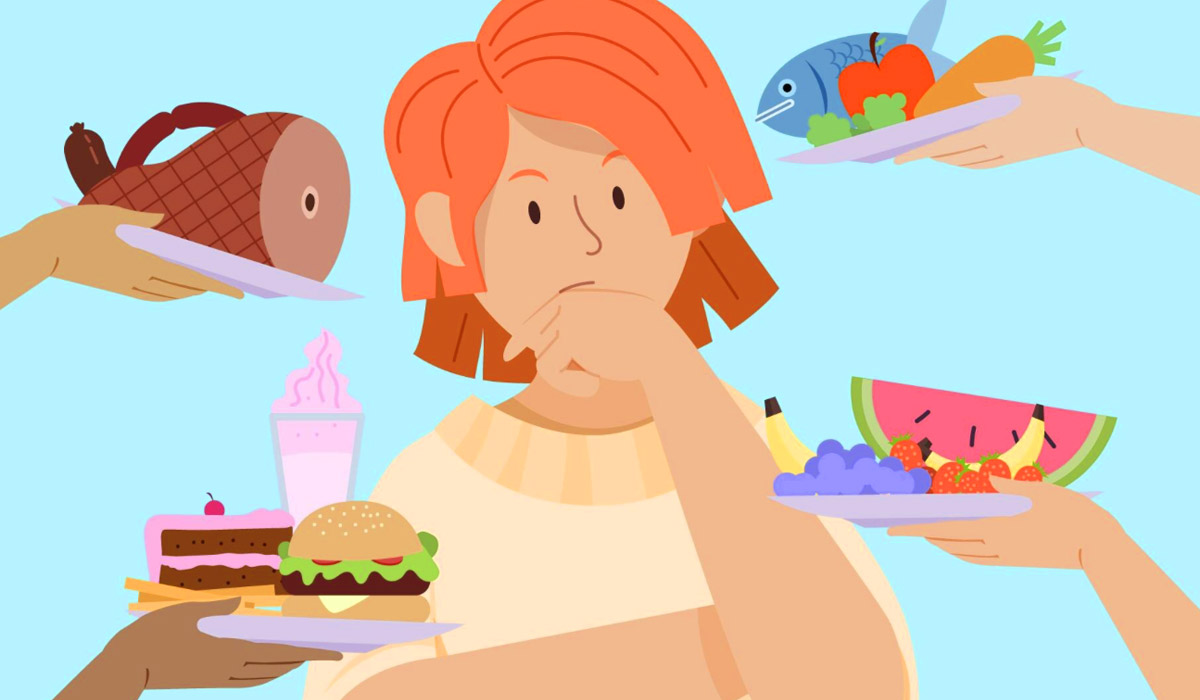

The focus on oxalate pushes so many kidney stone patients to stop eating fruits, vegetables, beans, nuts, potatoes, and other nutritious foods because they’re afraid of eating too much oxalate.
But the goal is not to remove every food that contains oxalate. The goal is to make smarter choices, keep an eye on portions, and keep the total intake reasonable.
I’m not going to list every food that contains oxalate. Instead, I am focusing on foods people commonly eat, and the ones most likely to make a meaningful difference in daily oxalate intake.
Most calcium oxalate stone formers can safely aim for up to about 100mg of oxalate per day unless their doctor has instructed them otherwise.
Some patients with fat malabsorption, bowel disease, bariatric surgery, or other digestive conditions may have been given a lower oxalate goal.
This is not about eating perfectly. It is about knowing which foods should be swapped and which foods can still fit in a reasonable portion.
Foods to Swap—and What to Have Instead
These foods can add too much oxalate too quickly and should be replaced with lower-oxalate choices.
Even with lower-oxalate swaps, portions still matter. Nuts, seeds, beans, and grains can add up quickly when servings are too large.
- Instead of almonds, choose walnuts, pecans, pistachios, or macadamia nuts. Measure your portion rather than eating directly from the bag.
- Instead of cashews, choose walnuts, pecans, pistachios, or macadamia nuts. Keep the serving reasonable.
- Instead of chia seeds, choose sunflower seeds, ground flaxseed, or hemp hearts. These should still be measured.
- Instead of spinach, choose kale, arugula, romaine, cabbage, bok choy, or mixed greens without spinach.
- Instead of almond milk, choose dairy milk or oat, coconut, pea, rice, flax, or macadamia milk. Check the label for added sugar.
- Instead of navy beans, choose chickpeas, lentils, black-eyed peas, lima beans, or green peas. Beans should still be eaten in reasonable portions.
- Instead of rhubarb, choose apples, berries, cherries, peaches, or another fruit you enjoy.
- Instead of bulgur, choose white rice, couscous, barley, or pasta. Watch the portion, especially when the grain is part of a larger meal.
- Instead of cocoa powder, use vanilla, a small amount of cinnamon, pumpkin spice, or another flavoring that does not rely on concentrated cocoa. If you really want hot chocolate, measure the cocoa and make it with a calcium-containing milk. It does not need to be an everyday food.
Lower oxalate does not mean unlimited. The goal is to choose a better option while still paying attention to how much you are eating.
Portion, Not Perfection
These foods do NOT need to be removed completely. The portion matters.
When possible, eat these higher-oxalate—but still doable—foods with a calcium source. Calcium can bind with oxalate in the digestive tract, allowing more oxalate to leave in the stool instead of being absorbed.
- Peanut butter
- Soybeans
- Baked beans
- Refried beans
- Beets
- Turnips
- Yams
- Whole-wheat spaghetti
- Quinoa
- Miso soup
- Dates
- Hot chocolate
- Dark chocolate
- Blueberries
- Potatoes of all kinds
You do not have to make room for every higher-oxalate food. You may look at a food and decide, “That is not worth it to me. I would rather skip it.” But you may feel very differently about a food you truly love.
Maybe you love beets. Instead of removing them completely, add a few pieces to your salad, watch the portion, and include a calcium source with the meal when possible.
What no longer fits is drinking beet juice or eating as many beets as you like. That is when the oxalate can add up quickly and no longer fit within your daily goal. In this case, beet juice would not be advised.
That is why the Kidney Stone Diet® is a set of goals—not a rigid list of foods everyone must eat or avoid. You can make those goals work with the foods you love most.
Choose the foods that matter to you, use reasonable portions, and swap the foods you do not care about as much.
For example:
- Enjoy blueberries, but do not turn one serving into a two-cup bowl. Pair them with yogurt when possible.
- Enjoy a baked potato, but eat half of a large one and include a calcium source with the meal. Removing the skin can lower the oxalate further.
Measure your peanut butter instead of eating several spoonfuls directly from the jar. - Enjoy a small portion of dark chocolate, preferably with or after a meal that contains calcium. If you know you cannot limit the portion, do not bring it into your house.
A food does not have to be low in oxalate to fit into your diet. It simply needs to fit within your daily oxalate goal.
Before assuming you cannot eat a food, look at its actual oxalate value and serving size. Get your Harvard Oxalate Food List here.
Use the list to make informed choices instead of unnecessarily removing foods from your diet. You can also put it right on your phone so it acts like an app. Do that here (it is easy, promise).
The goal is not fear or unnecessary restriction. The goal is reasonable portions, smart swaps, and pairing higher-oxalate foods with calcium when possible. Here are a bunch of free lower-oxalate recipes for you to try.
I will continually remind you that oxalate is the least important part of the Kidney Stone Diet when you follow my guidance.
After a consultation with me, patients are often both relieved and shocked by how many foods they can safely bring back into their diets. Most discover that they never needed to restrict themselves as much as they thought.
Your friend,
Nurse Jill
P.S. Getting enough calcium each day—and pairing it with meals that contain higher-oxalate foods—helps bind oxalate in the digestive tract, reducing how much is absorbed and ultimately lowering urine oxalate.








Leave a Reply