
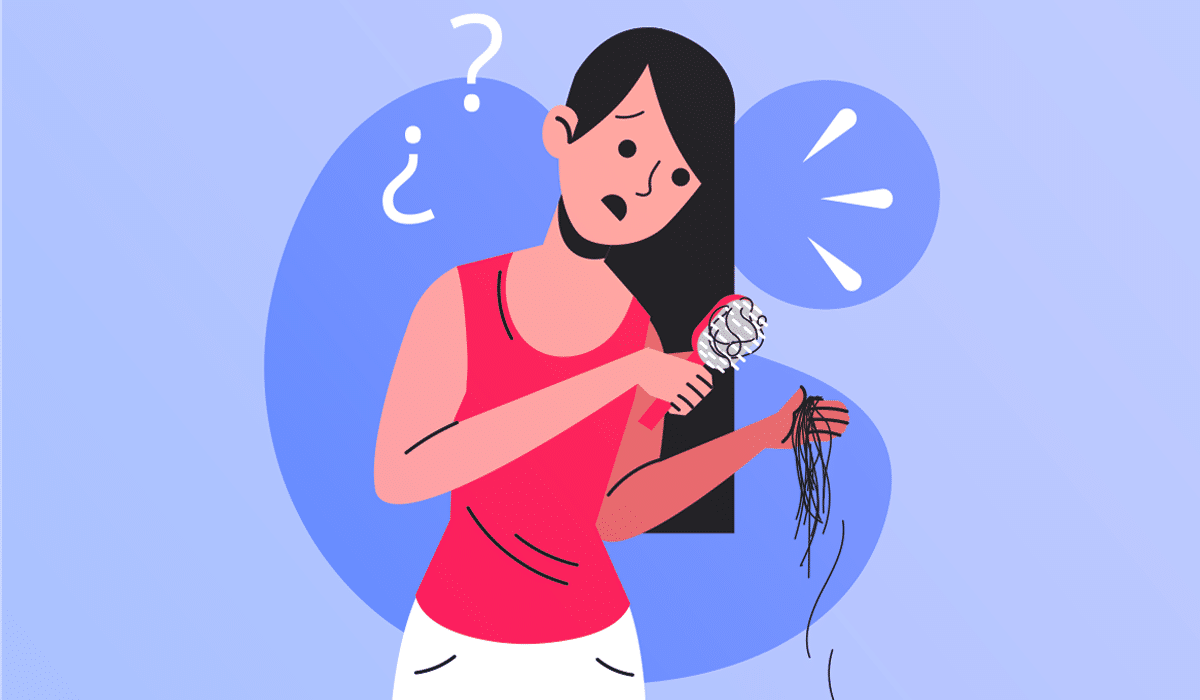

Hair thinning. Brittle nails. More breakage than you remember from ten years ago.
Many kidney stone formers are at an age when these changes start showing up. For women especially, postmenopausal hormone shifts can quietly alter hair texture, growth patterns, and nail strength. It’s frustrating, it feels visible, and it makes the supplement aisle look very appealing.
Collagen is one of the most popular solutions right now, marketed for thicker hair, stronger nails, and youthful skin. For kidney stone formers, especially those with calcium oxalate stones, it’s worth looking at both the science and the risks before adding a daily scoop.
What Collagen Is and Why It Matters for Stone Formers
Collagen supplements come from animal connective tissue and are rich in specific amino acids: glycine, proline, and hydroxyproline. That last one is important.
When hydroxyproline is broken down in the body, it’s metabolized to glyoxylate, which can then convert into oxalate. This biochemical pathway is well established. Studies show that increased hydroxyproline intake raises urinary oxalate levels.
For someone prone to calcium oxalate stones, higher urinary oxalate means higher stone risk. This isn’t speculation, it’s basic human metabolism.
That doesn’t mean one scoop will automatically cause a stone. But daily use of concentrated collagen adds fuel for oxalate production. If your urine oxalate is already elevated, adding more substrate probably isn’t a good idea.
Does Collagen Actually Improve Hair and Nails?
For brittle nails, a few small studies suggest collagen peptides may improve growth rate and reduce breakage after several months. But these studies are small, short-term, and often industry-funded. The evidence is limited.
For hair loss, particularly the thinning many women experience in midlife, the evidence is weaker. Most age-related hair thinning in women is driven by hormonal changes, especially declining estrogen. There are no large, high-quality trials showing collagen reverses typical postmenopausal hair thinning.
Bottom line: collagen may help some people with nail brittleness. It is not a proven fix for midlife hair thinning.
Before Adding Collagen, Look at the Root Causes
Hair and nails reflect overall health. When they change, that’s often a signal to look deeper.
Common contributors to thinning hair and brittle nails include:
- Iron deficiency—even without full anemia
- Low protein intake—especially in women who unintentionally under-eat
- Thyroid dysfunction—which affects both hair and nails
- Rapid weight loss—which can trigger shedding months later
- Chronic stress—elevated cortisol disrupts hair growth cycles
- Poor sleep and severe calorie restriction
For postmenopausal women, hormonal shifts are a major driver of hair thinning. This is a physiologic change, not necessarily a nutrient deficiency. Biotin is heavily marketed for nails, but true biotin deficiency is rare in people eating a varied diet.
Food-First Support for Hair and Nail Health
Before turning to powders, cover the basics.
Protein is foundational. Hair is made of keratin — a structural protein. If dietary protein is low, the body prioritizes essential organs over hair production. Good sources: eggs, Greek yogurt, cottage cheese, chicken, fish, tofu, lentils, and beans.
Iron status should be checked if hair thinning is significant. Food sources include lentils, beef, chicken thighs, tofu, pumpkin seeds, and fortified cereals.
Zinc supports hair growth and immune function. Pumpkin seeds, yogurt, beans, and lentils provide it in balanced amounts.
Healthy fats matter for overall hair quality. Salmon, sardines, olive oil, avocado, and walnuts support metabolic health without a concentrated oxalate load.
Calcium remains critical for kidney stone prevention. Dairy, fortified plant milks (well-shaken and consumed with meals), yogurt, and kefir help meet your needs without raising stone risk.
If labs confirm iron deficiency, thyroid dysfunction, or vitamin D deficiency, targeted supplementation under medical supervision makes sense. But guessing with collagen because your hair feels thinner is not a precision strategy.
The Bottom Line
Collagen is not a neutral supplement for calcium oxalate stone formers. Its hydroxyproline content can increase oxalate production — something to take seriously if you’re working to control urine oxalate.
More importantly, collagen doesn’t reliably address the most common causes of midlife hair thinning.
Focus on what actually moves the needle: get your labs checked, eat enough protein, stay hydrated, manage stress, and prioritize sleep. Hair cycles take months. Nail growth takes time. Supporting the foundation will do more than any powder.
Prioritize food and lab data. Use supplements only when truly necessary. That’s what’s best for your hair, your nails, and your kidneys.
Your friend,
Nurse Jill
P.S. I know some of you will say, “Jill, those foods are higher in oxalate.” And you’re right but this isn’t about avoiding foods, it’s about how you eat them. Beans and tofu can absolutely fit into your diet when portions are reasonable. Portion not perfection is always the answer.








Leave a Reply