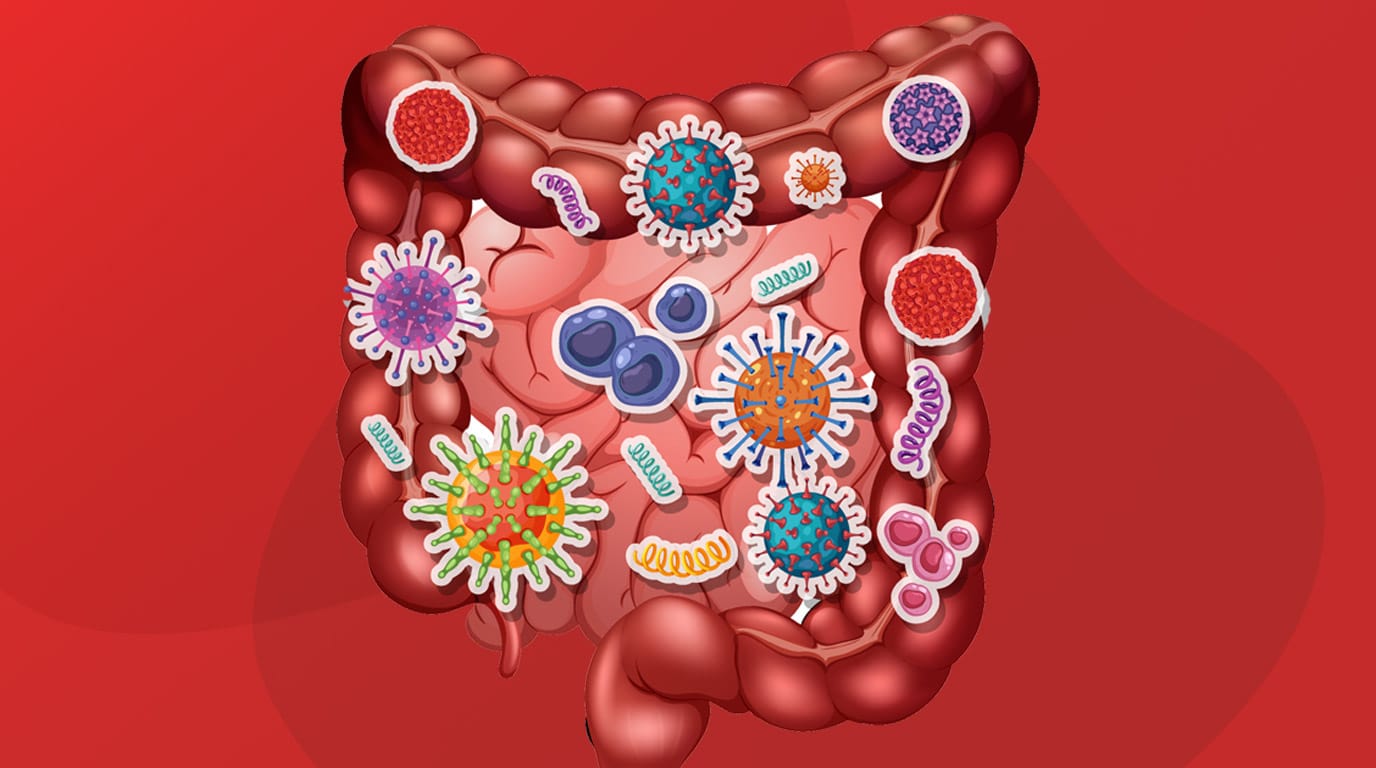

IBS, Crohn’s, Ulcerative Colitis and Kidney Stones: When Your Gut Raises Your Oxalate
Can IBS, Crohn’s disease, ulcerative colitis, or other bowel problems increase your risk of kidney stones? Yes, and although increased oxalate absorption is a common concern with certain bowel conditions, it’s not the only factor.
Chronic diarrhea and intestinal surgeries can also affect how much urine you produce, your urine pH, and your urinary citrate levels. Any combination of these changes can increase your risk of forming stones, even when you’re doing everything you can to follow your kidney stone prevention diet.
I hear from patients who tell me they’re doing everything right. They’ve stopped eating spinach and almonds, they’re watching their sodium, they’re getting their calcium, and they’re drinking their water. But they’re still making kidney stones, and it is very frustrating, to say the least.
Sometimes the problem isn’t just what you’re eating. It’s what your gut is doing with the food.
This topic is personal to me, too. After my surgeries for stage 4 colorectal cancer, I was left with bowel issues that I still manage every single day.
I know how exhausting it can be to think about everything you eat and drink, worry about your bowels, and still try to live your life. Some days, just managing your gut is enough work without adding kidney stone prevention on top of it.
If you’d like to know more about what I’ve been through, you can read part one of my cancer story and part two of my cancer journey.
That’s why I always want you to understand the reasons behind my recommendations. My goal isn’t to make your life harder with more food restrictions. It’s to help you make changes that actually matter for your particular situation.
Who’s at Risk: Crohn’s, Ulcerative Colitis, Bariatric Surgery, and Chronic Diarrhea
Not every digestive condition causes increased oxalate absorption, and that’s an important distinction.
I’m especially concerned about patients with inflammatory bowel disease (IBD), which includes Crohn’s disease and ulcerative colitis, certain bowel surgeries, and conditions that interfere with fat absorption.
Crohn’s disease can affect any part of the digestive tract, including the small intestine, where we absorb most nutrients. Ulcerative colitis affects the large intestine (colon). Although these diseases affect different parts of the digestive tract, both can increase kidney stone risk, particularly when patients experience chronic diarrhea, fluid loss, or have undergone intestinal surgery because of their disease.
With Crohn’s disease, especially when it affects the small intestine, poor fat absorption can also increase oxalate absorption.
Patients who have had certain types of bariatric surgery can also experience changes in how their bodies absorb nutrients, including oxalate. I discussed this in my podcast episode, Does weight loss surgery increase kidney stone risk?
Chronic diarrhea can lead to lower urine volume because you’re losing so much fluid through your stool. And during a flare, drinking more can sometimes make bowel symptoms feel worse, making it even harder to stay hydrated. I understand this firsthand because of my own intestinal surgeries.
It’s not always as simple as telling someone to drink more water. Between the fluid you’re losing and the difficulty of replacing it, you may end up producing less urine than your kidneys need to prevent stones. That’s why it’s so important to work with your medical team to find a realistic way to manage both your bowel symptoms and your fluid intake. I can help as well.
Chronic diarrhea can also affect your urine chemistry in ways beyond oxalate. When you’re repeatedly losing fluids and bicarbonate through your stool, your urine can become very acidic, meaning your urine pH is too low. This matters because acidic urine increases the risk of uric acid stones.
Chronic diarrhea can also lower urinary citrate, and citrate helps protect us from forming calcium oxalate stones. So we may be dealing with several problems at once: less urine, more acidic urine, and insufficient citrate.
This is why managing kidney stones in patients with bowel disease can be more complicated than simply telling them to avoid high-oxalate foods.
Now, what about IBS? Having IBS doesn’t automatically mean you’re absorbing too much oxalate. IBS and inflammatory bowel disease are not the same thing, and I don’t want you assuming you have an oxalate absorption problem simply because you have IBS.
However, if you’re dealing with ongoing diarrhea or other digestive issues, especially if you’re also making kidney stones, those symptoms deserve a conversation with your physician. Your medical history and bowel symptoms matter, and your kidney stone prevention plan needs to account for both.
Why Poor Fat Absorption Frees Up Oxalate
Let’s talk about what happens in your intestines, because it’s pretty easy to understand when someone explains it.
Normally, when you eat foods containing oxalate, calcium in your meal can bind to it in your digestive tract. When calcium and oxalate bind, more oxalate leaves your body in your stool instead of being absorbed. That’s why I always talk about getting enough calcium with your meals.
But when you’re not absorbing fat properly, some of that calcium binds with the unabsorbed fat instead of the oxalate. That leaves more oxalate available to be absorbed into your bloodstream and eventually end up in your urine.
For calcium oxalate stone formers, this can be a real problem because you could be eating a reasonable amount of oxalate and still have elevated urine oxalate simply because of what’s happening in your gut.
I’ve talked about this frustration before in my episode on why you can eat right and still make kidney stones.
Calcium With Meals, Fat, and Fluids
First, please don’t stop eating calcium because you’re making calcium oxalate stones. I know that sounds obvious to those of you who’ve been following me for a while, but I still meet patients who fear calcium.
Getting enough dietary calcium is one of the six goals of the Kidney Stone Diet®, and when we’re talking about oxalate absorption, timing matters, too.
You want calcium and oxalate together in your digestive tract so calcium can bind with oxalate before it’s absorbed. That means having calcium with your meals instead of saving it all for one meal at the end of the day.
I also know that many people dealing with bowel disease or chronic digestive problems have trouble tolerating dairy products. If that’s you, please don’t think you have to give up on getting enough calcium.
Calcium-fortified plant milks can help you meet your daily needs, including oat, pea, flax, coconut, and rice milk. Just make sure they’re fortified with calcium, choose unsweetened versions when possible, and avoid almond and cashew milk because of their high oxalate content.
I want you to get your calcium from foods and drinks that agree with your gut. You can read more in my articles on 16 non-dairy calcium sources for kidney stone formers and choosing calcium-fortified plant milks.
Fat intake deserves attention, too. If you have fat malabsorption, talk with your medical team about whether you need to adjust how much fat you’re eating. The right approach depends on your digestive condition, and I don’t want you making unnecessary restrictions without understanding what’s actually going on.
And please don’t start eliminating every fruit, vegetable, and healthy food because you’re worried about oxalate. Use my searchable oxalate food list to make better choices and pay attention to portions.
Some patients with bowel disease or fat malabsorption may need a lower oxalate goal, but that should be based on their individual medical situation rather than fear.
Fluids are another important part of this conversation. My own bowel issues have taught me that what sounds simple on paper isn’t always simple in real life. We still need to protect urine volume, but you and your medical team may need to find a realistic way to stay hydrated while managing your digestive symptoms.
And remember, oxalate isn’t the only thing that matters. The other Kidney Stone Diet goals, including sodium, added sugar, and meat protein, are still important. We don’t abandon the rest of prevention just because oxalate is getting all the attention.
Why a 24-Hour Urine Test Matters Here
One of the most important things I want you to understand is that you cannot know how much oxalate ends up in your urine just by looking at what you eat.
You might have a wonderful diet and still have elevated oxalate in your urine. Or you might worry so much about oxalate that you’ve cut out half the foods you enjoy, only to discover your urine oxalate wasn’t the problem in the first place.
That’s why I talk about the 24-hour urine collection so often. For patients with chronic diarrhea, Crohn’s disease, ulcerative colitis, or a history of intestinal surgery, I especially want to know their urine volume, oxalate, citrate, and pH.
Is their urine too acidic, putting them at risk for uric acid stones? Is their citrate too low, leaving them with less protection against calcium oxalate stones? Are they losing so much fluid through their bowels that they aren’t making enough urine? Is their urine oxalate elevated because of fat malabsorption?
These are different problems, and we also need to consider other factors, including urine calcium and sodium. That’s why a 24-hour urine collection matters. It helps us understand what’s actually happening before deciding which dietary changes make sense.
Once you have your results, you and your physician can make decisions based on what’s actually happening in your urine rather than guessing.
I’ve helped kidney stone patients understand their results and make realistic dietary changes since 1998, and I’ve learned that kidney stone prevention isn’t about eating perfectly. It’s about understanding your particular risk factors and making changes that address them. Each of you is different.
If you have Crohn’s disease, ulcerative colitis, chronic diarrhea, a history of bowel surgery, or another digestive condition, your prevention plan may need some extra attention. You may have elevated oxalate, low citrate, acidic urine, low urine volume, or a combination of these issues. We need to know what we’re treating before we ask you to make even more dietary changes.
Your friend,
Jill Harris, LPN, CHC
Kidney stone prevention nurse since 1998
This article is for educational purposes only and is not a substitute for individualized medical advice.







Leave a Reply