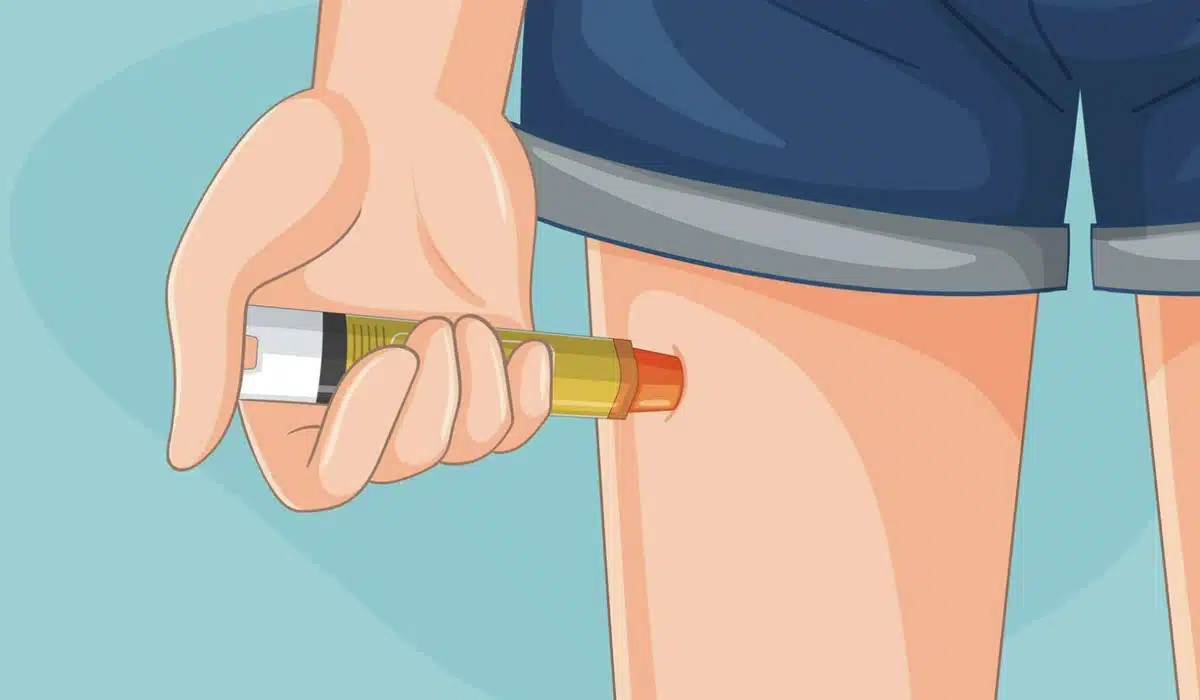

There are an estimated 30 million (1 in 8) Americans who are taking GLP-1 medications now. You may know them by names like Ozempic, Wegovy, Mounjaro, or Zepbound.
And because I work with kidney stone formers every day, the question naturally comes up:
Do these medications increase kidney stone risk?
Right now, the most honest answer is this: we do not have strong evidence that GLP-1 medications directly increase the risk of kidney stones.
That is good news.
Prefer to listen? I talk it through on the podcast: Does Ozempic Cause Kidney Stones?
But don’t ignore the basics
The research is still new. We do not have decades of long-term data showing what happens to kidney stone recurrence in people taking these medications. But the studies we have so far, especially those using 24-hour urine collections, have not shown that GLP-1 medications worsen the major stone-risk numbers.
One study in obese kidney stone formers found that weight loss with GLP-based therapy was not linked to worse urine calcium, citrate, pH, sodium, urine volume, or stone supersaturation. Urine oxalate actually went down in that group.
This does not mean GLP-1 medications prevent stones
It means we cannot honestly say they directly cause stones based on the evidence we have right now.
The bigger issue is what these medications can do to your daily habits.
Many people on GLP-1 medications eat less. Some drink less. Some feel full very quickly. Some have nausea. Some vomit. Some have diarrhea. Some get constipated. And for a kidney stone former, those side effects matter.
Not because the medicine is automatically “bad for stones,” but because your urine only knows what you actually did all day.
If you drank less, your urine may become more concentrated.
If you ate very little calcium, more oxalate may be absorbed from your gut.
If you relied on small bites of salty convenience foods because your appetite was low, your urine calcium may go up.
If you become constipated and uncomfortable, your eating and drinking patterns may fall apart.
And if you had vomiting or diarrhea, dehydration can happen quickly.
This is why I do not want stone formers thinking about GLP-1 medications in a fearful way. I want them to think about them in a prepared way. There are five issues I want to discuss with you.
Issue #1: fluids
Low urine volume is one of the most common problems I see on 24-hour urine collections. When there is not enough urine, stone-forming particles become more concentrated. Calcium, oxalate, phosphate, and uric acid are then sitting in a smaller amount of fluid.
That gives them more opportunity to form crystals.
Stone prevention is not just about how much water you drink. It is about how much urine you make. For many stone formers, the goal is to produce at least 2.5 liters of urine per day.
That can be harder on a GLP-1 medication because you may not feel as thirsty. You may feel full faster. You may not want large amounts of fluid with meals. So instead of waiting until evening to “catch up,” you may need to sip fluids more intentionally throughout the day.
Issue #2: calcium
This is the part many patients miss.
When people eat less, they often eat less of everything, including calcium-rich foods. That can be a problem for calcium oxalate stone formers.
Calcium from food is not the enemy. In the right amount, calcium helps bind oxalate in the gut, so less oxalate gets absorbed into the body and later ends up in the urine.
This is why “just eat less” is not always a smart stone prevention plan.
If your smaller GLP-1 appetite means you stop eating yogurt, kefir, milk, calcium-fortified foods, or other calcium-rich choices, your urine oxalate may not thank you for it.
The usual goal for many adults is about 1,000-1,200 mg of calcium per day, preferably from food when possible. For stone formers, calcium should be spread out across meals and snacks, especially when eating foods high in oxalate.
Issue #3: protein
Some people on these medications eat so little that they do not get enough protein. Others do the opposite and lean heavily on meat protein because it feels like the “safe” low-carb choice.
Neither extreme is ideal.
Too little protein can make it harder to maintain muscle, especially during weight loss. Excessive meat protein intake can lower urine citrate and increase acid load in some patients. Your 24-hour urine helps show what is true for you.
Issue #4: constipation.
This may not sound like a kidney stone topic, but in real life, it is.
When people are constipated, they often drink less, move less, and eat fewer fruits, vegetables, and higher-fiber foods. They may also avoid meals because they feel bloated or uncomfortable.
That can disturb the whole pattern of stone prevention.
Issue #5: nausea, vomiting, and diarrhea.
These are the situations where dehydration can happen quickly. If you are losing fluid from vomiting or diarrhea and not replacing it, your urine can become more concentrated. That is not what we want for stone prevention.
This does not mean everyone on a GLP-1 medication will have these problems. Many people tolerate them well.
But if you are a kidney stone former, you should not assume weight loss alone protects you. Weight loss can improve many aspects of health, but stone prevention still depends on your urine chemistry.
So what should you do if you take one of these medications?
Do not panic and stop your medication without talking to your doctor.
Do pay attention to your fluids.
Do make sure you are still getting enough calcium.
Do pay attention to sodium.
Don’t overeat meat protein. But also, this is going to be a fine balancing act on a GLP-1. Completing a 24-hour urine collection to see how eating more meat on a GLP-1 diet might be affecting your stone risk factors is a good idea.
Do keep meals balanced, even if they are smaller.
Do tell your doctor if you are having ongoing vomiting, diarrhea, or signs of dehydration.
And most importantly, do not guess.
If you are a kidney stone former and you have started a GLP-1 medication, this is a very reasonable time to ask your doctor about repeating a 24-hour urine collection. That test can show whether your urine volume, calcium, oxalate, citrate, sodium, pH, and supersaturation have changed.
The research we have so far is reassuring, but it is not the final word. Out of the 30 million people taking these drugs, only 349 people were studied in the two studies I am citing. More long-term research is needed to understand whether these medications raise kidney stone risk in both new stone formers and people with a prior history of stones.
Your friend,
Nurse Jill







Leave a Reply