It is. I don't I, you know, I'm not going to be glib here at all. There's many, many people that suffer from eating disorders, whether they're binge eating, whether they're bulimic, whether they're anorexic.
A lot of my patients have had past eating disorders and they have overcome them. But I think just like alcoholism or any kind of addiction, it's always kind of right there, that eating disorder, and it's always something you have to manage. Please know that I'm not a counselor or a therapist that works with eating disorders, and I have a bunch of knowledge about them.
I do have a lot of knowledge about them, simply from what patients tell me their experiences are, okay? But I'm not helping anybody here with eating disorders. I do want to say, though, what I have seen in my practice after all these decades are many people will come to me and say, "Listen, I have a past eating disorder and paying so much attention to food to prevent kidney stones is retriggering this for me." And they're petrified.
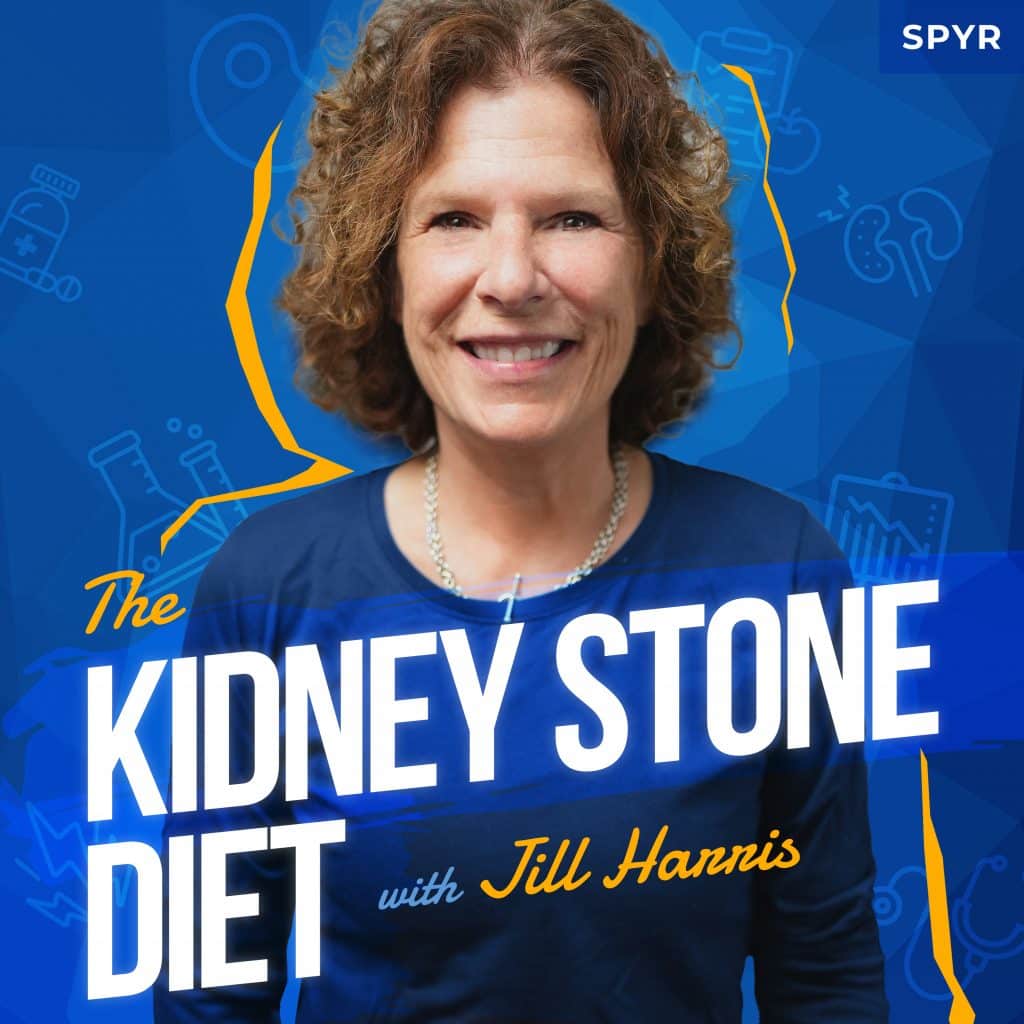
They're petrified because they've worked very hard, typically in counseling, whether it was in a place or outpatient, in therapy, whatever it was, but they worked very hard to get their eating stuff in order. And so, they no longer suffer from active addiction, but they do tell me that, you know, counting the salt and the added sugar and all the goals of the Kidney Stone Diet found at kidneystonediet.com are retriggering that kind of disordered eating that they have had in the past.
Now, I've never had anybody say, "I feel like I have an eating disorder because of the Kidney Stone Diet." That's never happened. But people who have suffered from eating disorders in the past find themselves triggered with what they have to do here, and I want to respect that and just put that there. Okay?
Now, when somebody comes to me and talks about that at the beginning of our session, they tell me what their eating disorder was, and I tell them, the I think what the problem is and why these people–and if you have had a eating disorder in the past, and you understand what I'm talking about as far as being retriggered by the Kidney Stone Diet or any kind of diet that you now have to pay attention to, talk about it in the comments if you if you feel like it, of course.
If you don't want to, you don't have to, but it's pretty common. It's not uncommon. So, I think it's because, you know, people are so worried about that there's nothing to eat, and it stems from that.
"Jill, I feel like when I was anorexic. There's just nothing to eat, nothing to eat, nothing to eat." It's not true, and I think that's where a lot of the problem lies. You guys limit yourself way too much when it comes to the oxalate portion of this of the of the Kidney Stone Diet goals.
I want to remind you that you get 100 mg of oxalate a day. Most of you don't get anywhere near 75. And then a lot of you are taking away all fruits and vegetables.
I'm hearing a lot of people saying they're going to the carnivore diet, as we've discussed in I think the previous video. And the carnivore diet sends me a lot of kidney stone patients, by the way. I want you guys to be eating fruits and vegetables.
They're part of a healthy diet. So, people who have had eating disorders in the past will say, "I just feel like there's nothing to eat. I feel like I'm restraining myself too much.
I feel like I'm depriving myself too much," and that precisely is what is triggering the eating disorder or that they're just so consumed with the counting and the and the goals and all the things. It makes sense that they feel, you know, that past trauma that they've had with that addiction. It makes sense.
So, what I want you guys to focus on and what I will tell private patients is there's plenty to eat. There's not much you have to take away at all. You do have to pay attention to sodium and added sugar, but that's something that everybody should have–that should do, okay?
Because when we eat too much salt and added sugar, it's typically in unhealthy foods that we're overconsuming those two goals. The other thing is eating your fruits and vegetables is going to be really important for overall health, so please stop depriving yourself so much of them, okay? Make sure you're getting your calcium needs met.
That's more important to lower oxalate than it is taking away foods. There's like five foods I take away. You can find them at kidneystonediet.com.
You do not eat spinach anymore. You do not eat almond products anymore. But as far as counting every single little thing with oxalate, because oxalate is the problem for you, it just doesn't have to be done.
If anything, I want you to add stuff to your plate or in your glass, like things that have calcium in it. So, this is way less about taking away than it is, in more cases, adding. Add more fluids.
Add calcium to your diet. Pay attention to oxalate, but don't over-worry about oxalate, because I only take away spinach, almond, chia seeds, cashews, rhubarb. I don't even care if you have rhubarb pie once a year for your special holiday.
Have it. It's not a big deal. I'm more concerned about you getting your calcium needs met.
If you feel like all the counting or paying attention to sugar and salt and all the things you're trying to track is retriggering some kind of eating disorder that you've had in the past, I highly suggest you go back into counseling to deal with that, but–but the first order here is your you're typically worried about oxalate too much.
Don't worry about oxalate. That is where the trouble is for people who are retriggered with eating disorder. They think they have nothing left to eat, and it's just not the truth.
And, you know, it always disturbs me when people say that they're, you know, they're having issues with that, cuz that's a serious issue, having an eating disorder, and it's all about–the other reason why they feel triggered is because now they really have to control what they're eating, and they take that to another level.
But even with people who don't have eating disorders, when patients have a kidney stone and they've experienced one of the worst pains of their whole life, it's very easy to feel out of control. When we're sick, you feel out of control. And then if there's a diet that can help, you're going to really be strict with it, because you're trying to gain your control back, or you're so petrified of having another stone and having that pain again that you go a little bit over the top.
I'm not judging. I'm just telling you what patients do. So, if you have an eating disorder and you've been retriggered because of paying attention to the oxalate portion, or even just counting salt and added sugar and those kinds of things, I want you to take a breath.
I want you to know that stones aren't made in a day. I want you to know that oxalate, after you take away just a few foods and get your calcium needs met, is the easiest part of this diet. I promise you.
And then all the other goals are just something that all people should do, because it's just healthy. Okay? So, I want you to take a breath and understand all that.
And also, if you are really being retriggered and finding yourself going into an eating disorder episode, I would like you to, if you can, please get help with that. That's really important. Don't let that linger on.
And you know better than anybody, because you've suffered from it in the past. So, I always tell my patients who are, you know, really struggling because they're now asked to really pay attention to food and it's mimicking what they were doing when they were going through an eating disorder, please re-contact your therapist and deal with that with a professional that can help you with that.
Makes sense, Jeff?